Stockholm Stories – A Sense of Place
A Fogia Journal / August 2026
Some buildings are admired for their architecture. Others for the lives they have lived. In Stockholm, many have quietly become both.
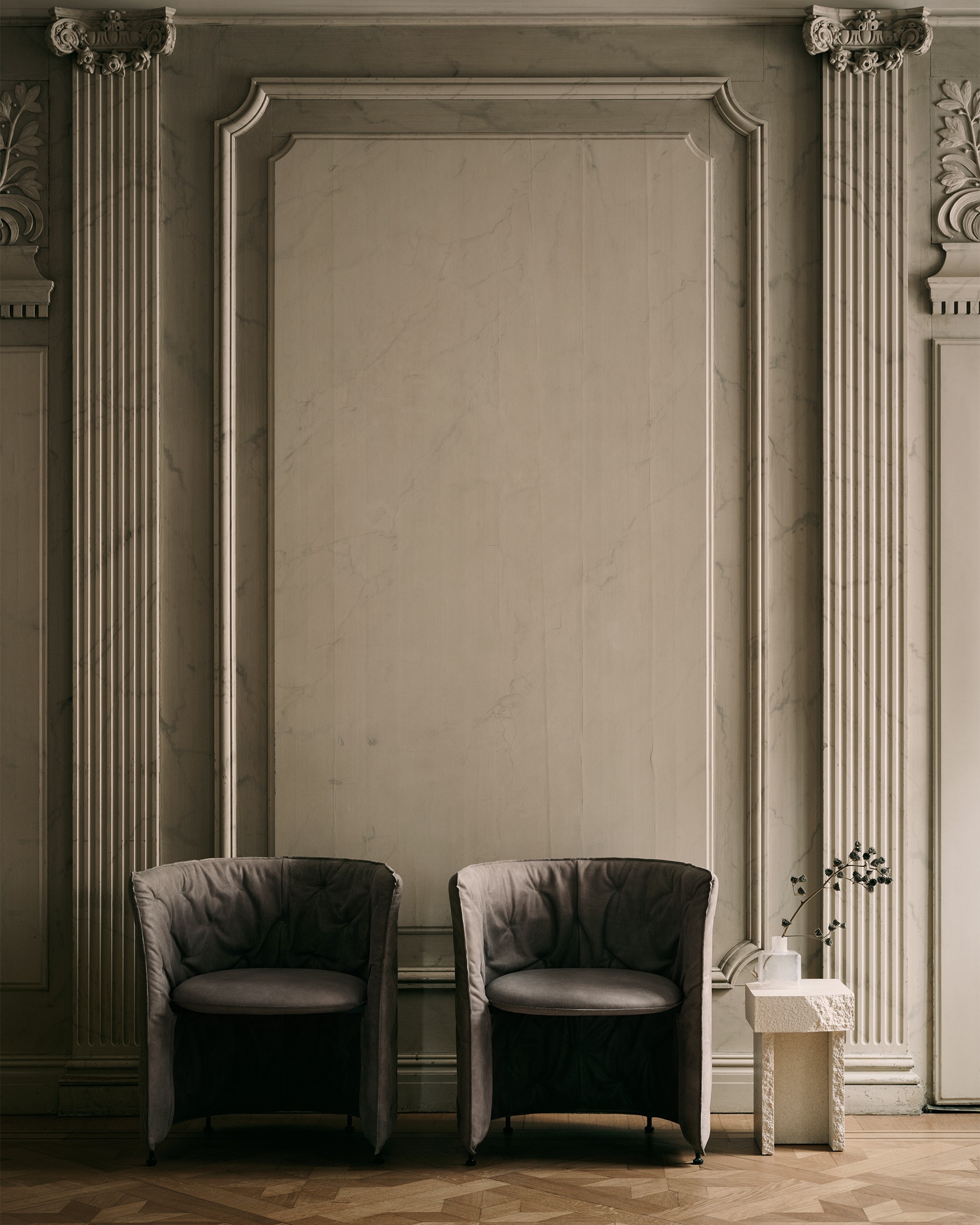
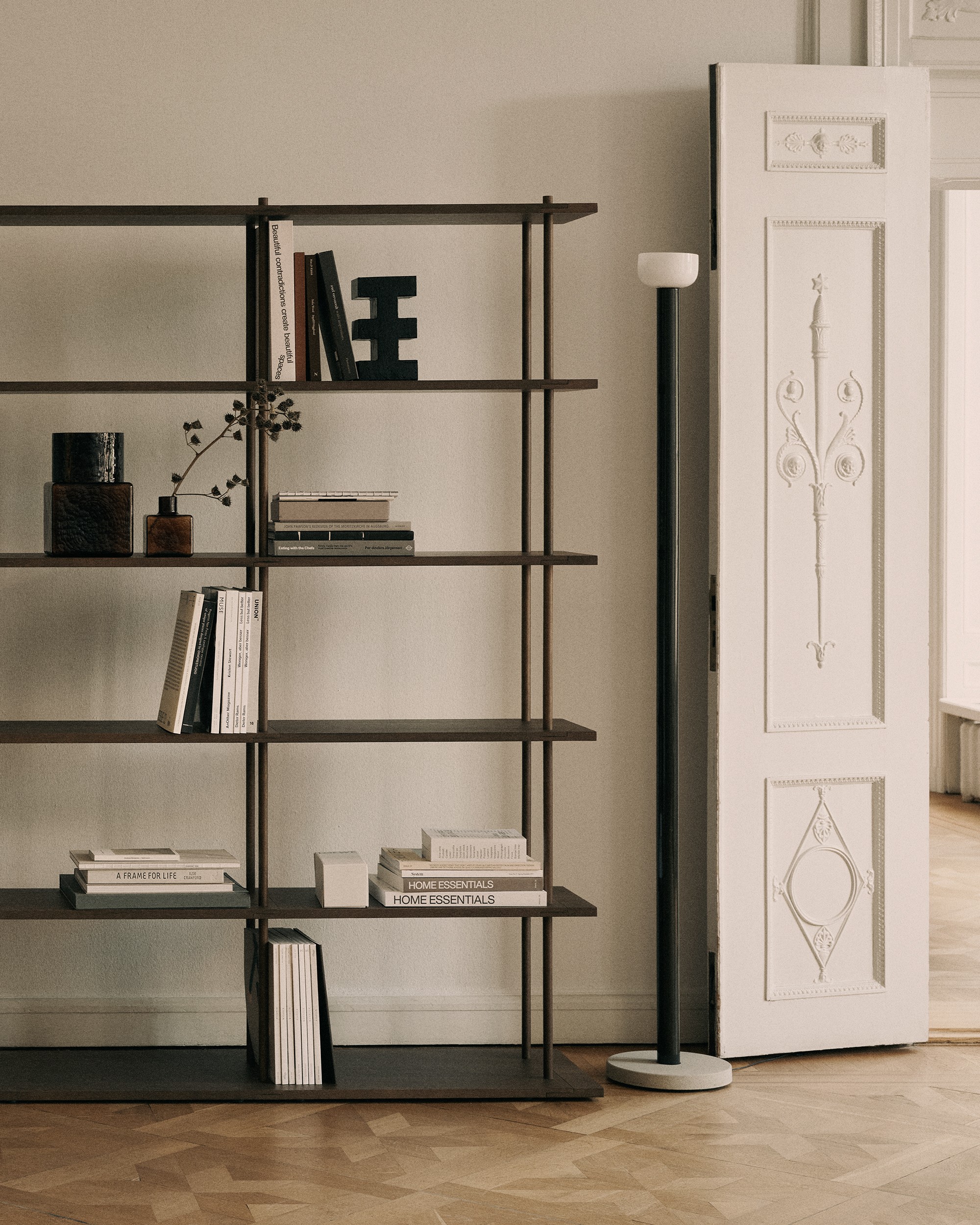
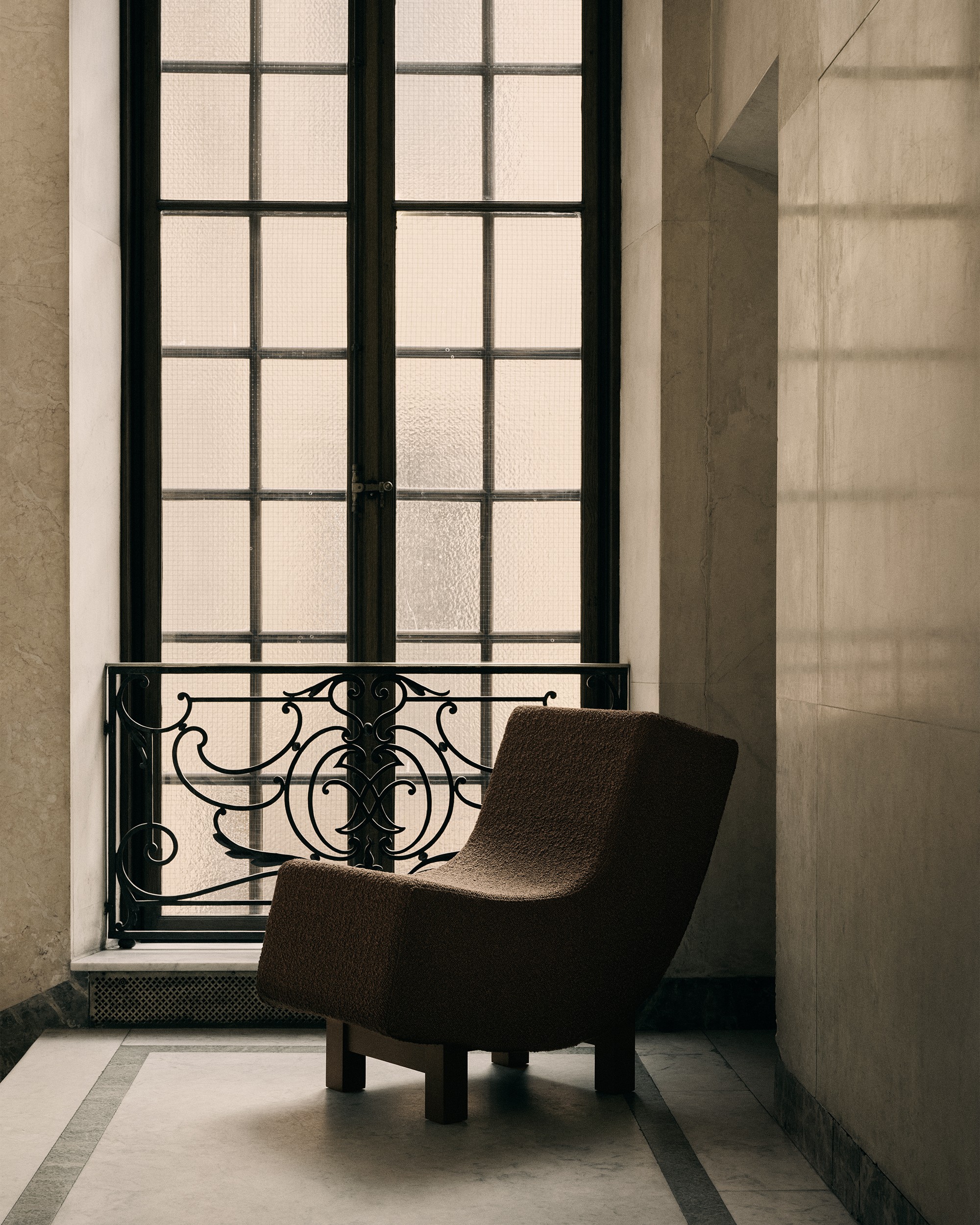
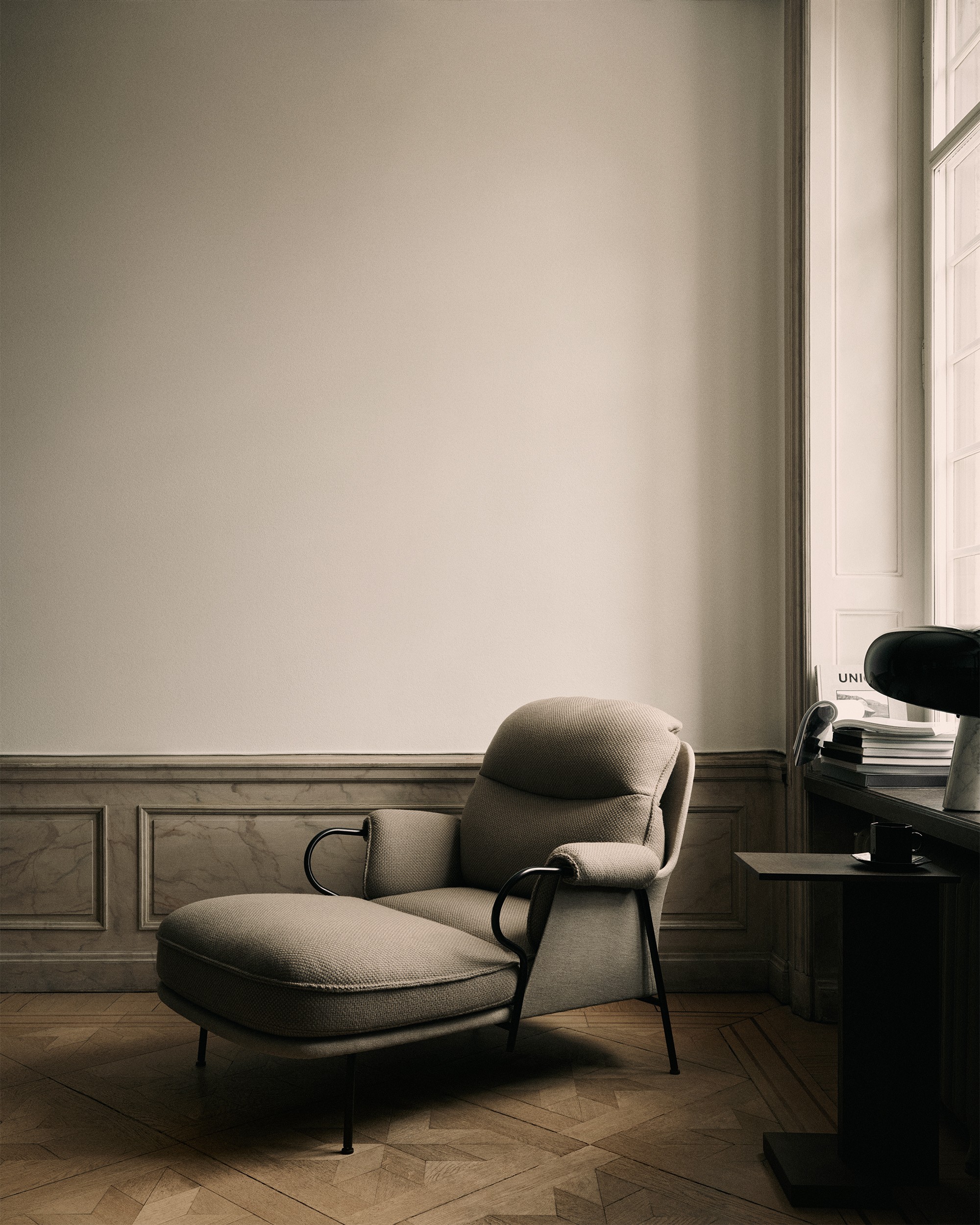
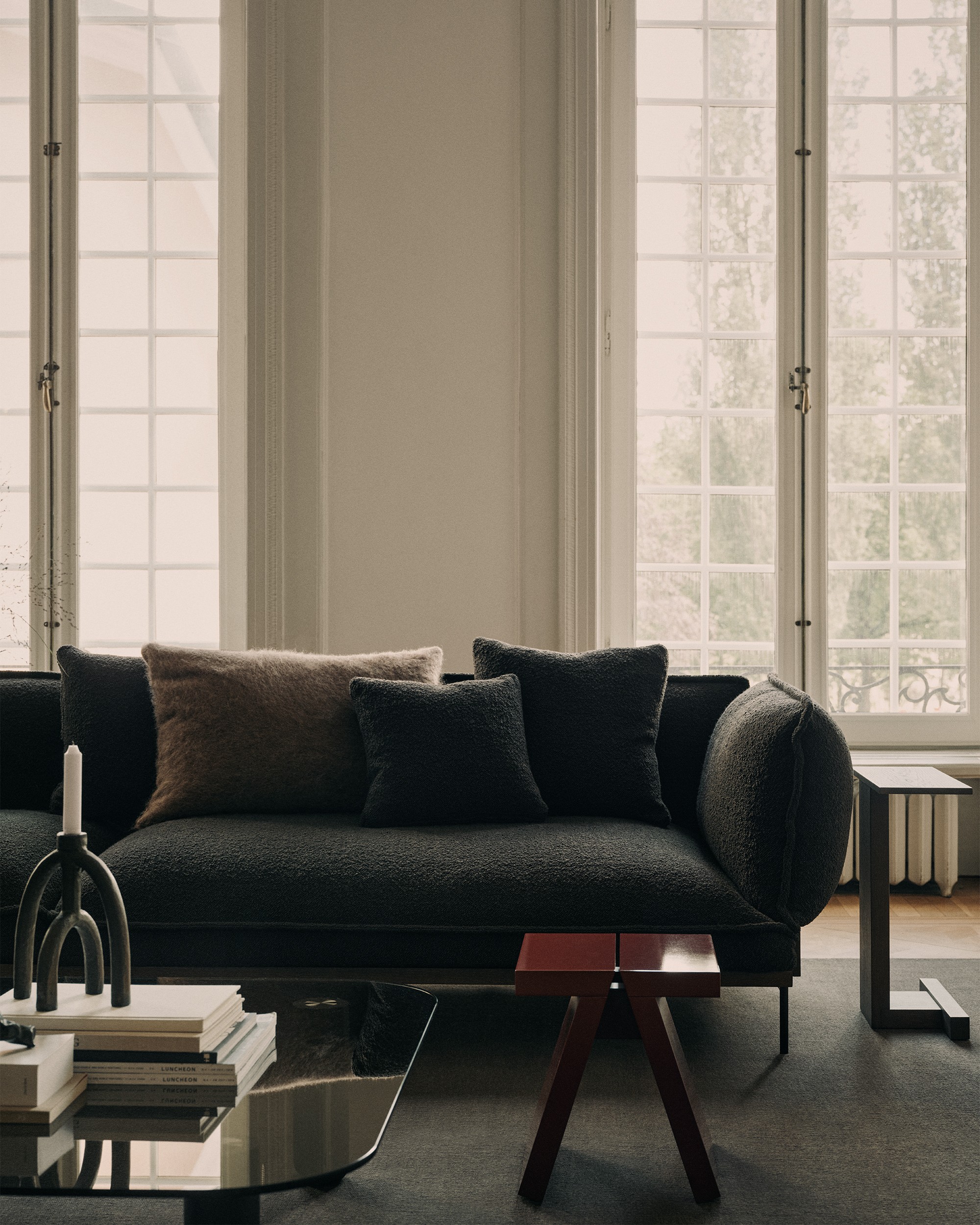
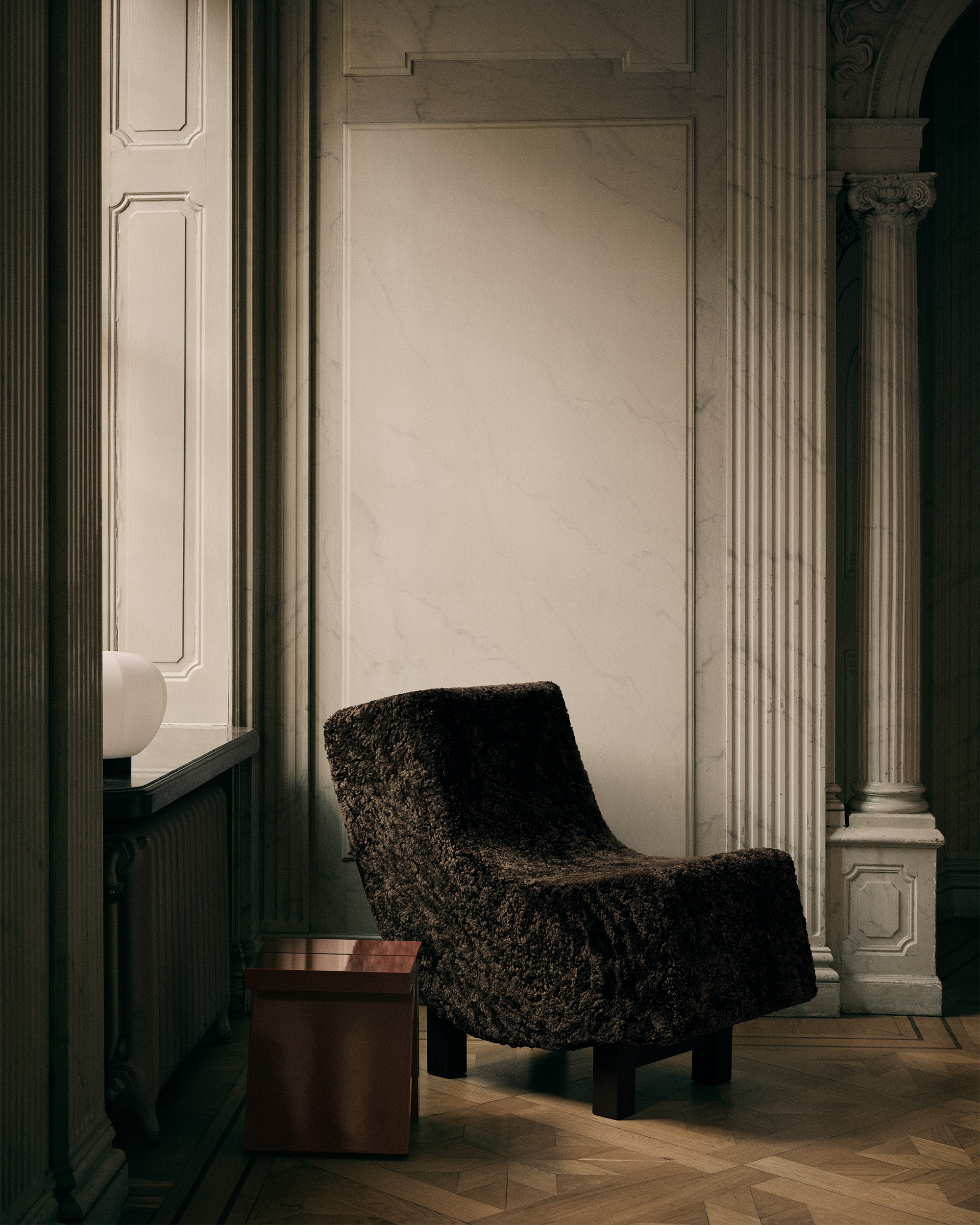
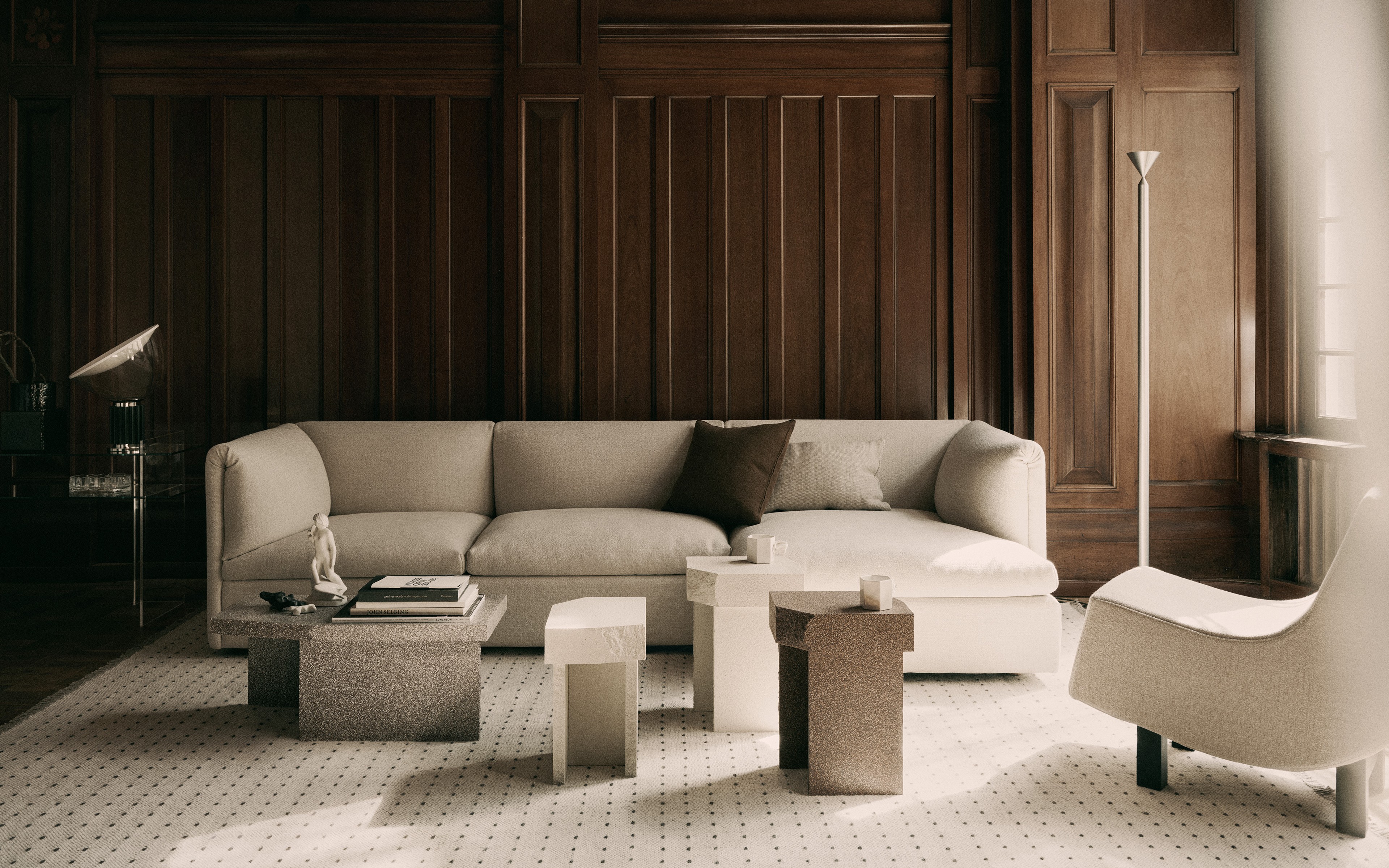
For this Journal, we at Fogia explored two historic buildings whose stories continue to unfold through changing times and changing uses. Together with creative collaborator Lotta Agaton, who helped source the locations and style the settings, and photographer Pia Ulin, we placed Fogia furniture within these remarkable spaces to explore the dialogue between architecture, craftsmanship and contemporary design.
One building is defined by reinvention. The other by continuity. Together, they tell a story not only about Stockholm's architectural heritage, but about places that continue to evolve while remaining true to their character.
For this Journal, styling and location scouting was led by Lotta Agaton, whose thoughtful curation shaped the visual language of the story. The photography is by Swedish photographer Pia Ulin, whose calm and considered approach captures the character of architecture and interiors alike.
Some buildings remain fixed in time. Others continue to evolve, carrying traces of every era they have passed through. The most remarkable ones continue to welcome new stories while remaining true to their character.


Fenixpalatset – A building that refuses to stand still
Adolf Fredriks kyrkogata 10, Stockholm
Cities are shaped not only by what is built, but by what is allowed to change. Some buildings remain fixed in time. Others continue to evolve, carrying traces of every era they have lived through. Fenixpalatset belongs firmly to the latter.
Standing on Adolf Fredriks kyrkogata in central Stockholm, Fenixpalatset presents itself with quiet confidence. Behind its early twentieth-century façade lies more than a century of reinvention. A story that mirrors the changing rhythms of the city itself.
When Fenixpalatset was completed in 1911, Stockholm was growing rapidly. Conceived as a palace for leisure, it brought together sport, dining, entertainment and social life under one roof. Roller skating was intended to be one of its principal attractions. By the time the doors opened in January 1912, however, the craze had already begun to fade. As it turned out, fashions proved less predictable than architecture. Fortunately, the building proved capable of much more.
Designed by architect Hjalmar Westerlund, Fenixpalatset soon established itself as one of Stockholm’s most vibrant meeting places. Visitors entered through richly detailed interiors where marble, mahogany and elaborate craftsmanship set the tone. Beyond lay restaurants, banquet halls, bars, stages and salons filled with conversation, music and movement.
For decades, the building formed part of the social fabric of the city. Concerts, dinners, dances and performances followed one another beneath its chandeliers. Artists and entrepreneurs, officers and musicians all passed through its doors. It was not a palace for royalty, but for the pleasures of urban life. As society changed, so did Fenixpalatset. Like any building that remains relevant, it adapted.
Its most dramatic transformation came in 1940, when the property was acquired by a Pentecostal congregation and converted into a church. Spaces once intended for celebration and performance found a new purpose. Yet rather than erasing the past, the transition added another layer to it.
Today, what makes Fenixpalatset remarkable is this accumulation of histories. Monumental halls, galleries and decorative craftsmanship remain, carrying traces of each transformation. Its identity lies not in a single purpose, but in the care with which it was made and its ability to welcome new ones.
More than a century after opening its doors, Fenixpalatset continues to serve the city in ways its founders could hardly have anticipated. Sports palace, restaurant palace, concert venue, dance hall and church: each chapter has left its mark.
Like the phoenix that inspired its name, the building has never remained exactly the same. With every transformation it has carried something of its former self forward. Its greatest achievement may not be preservation, but renewal without forgetting where it began.
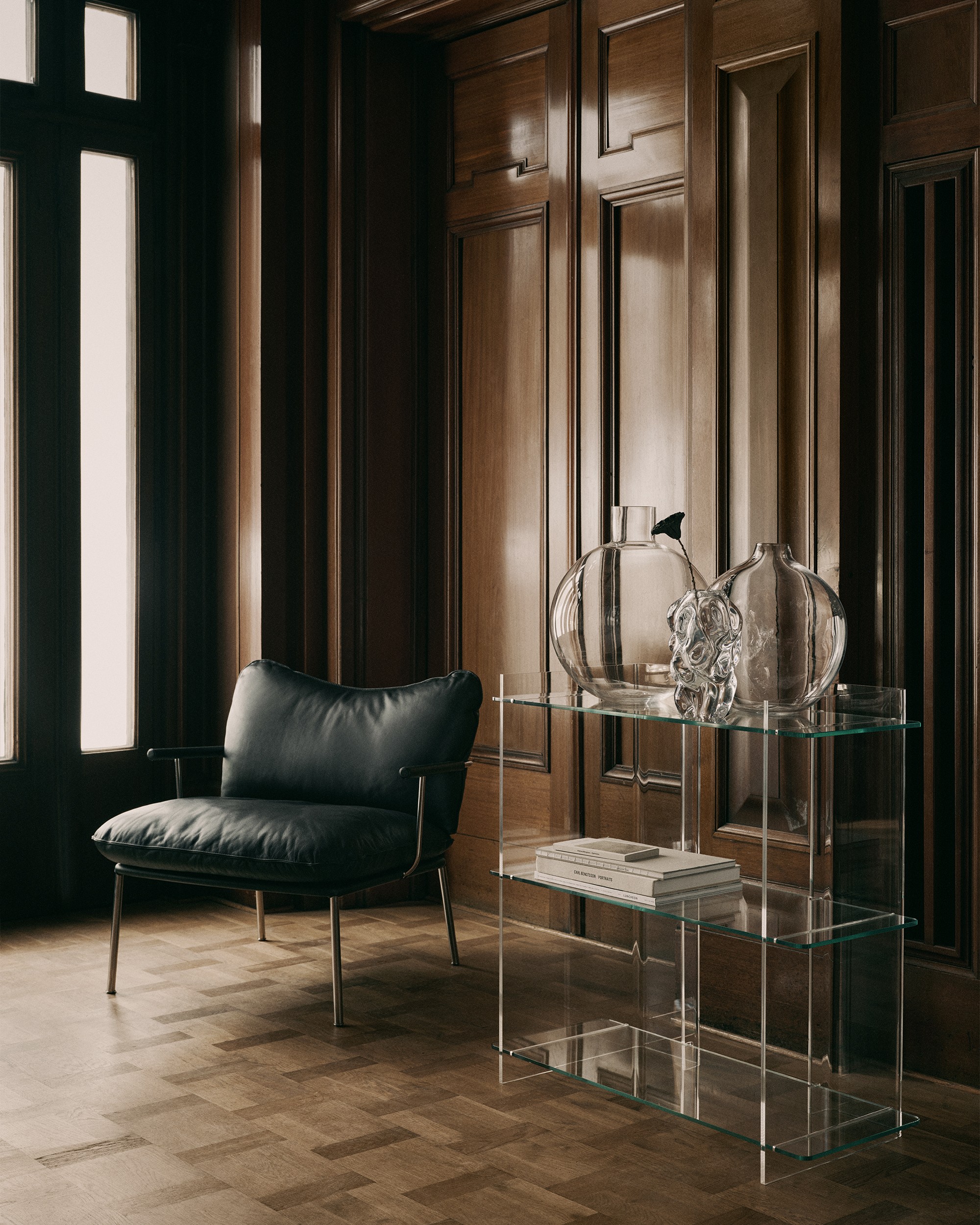
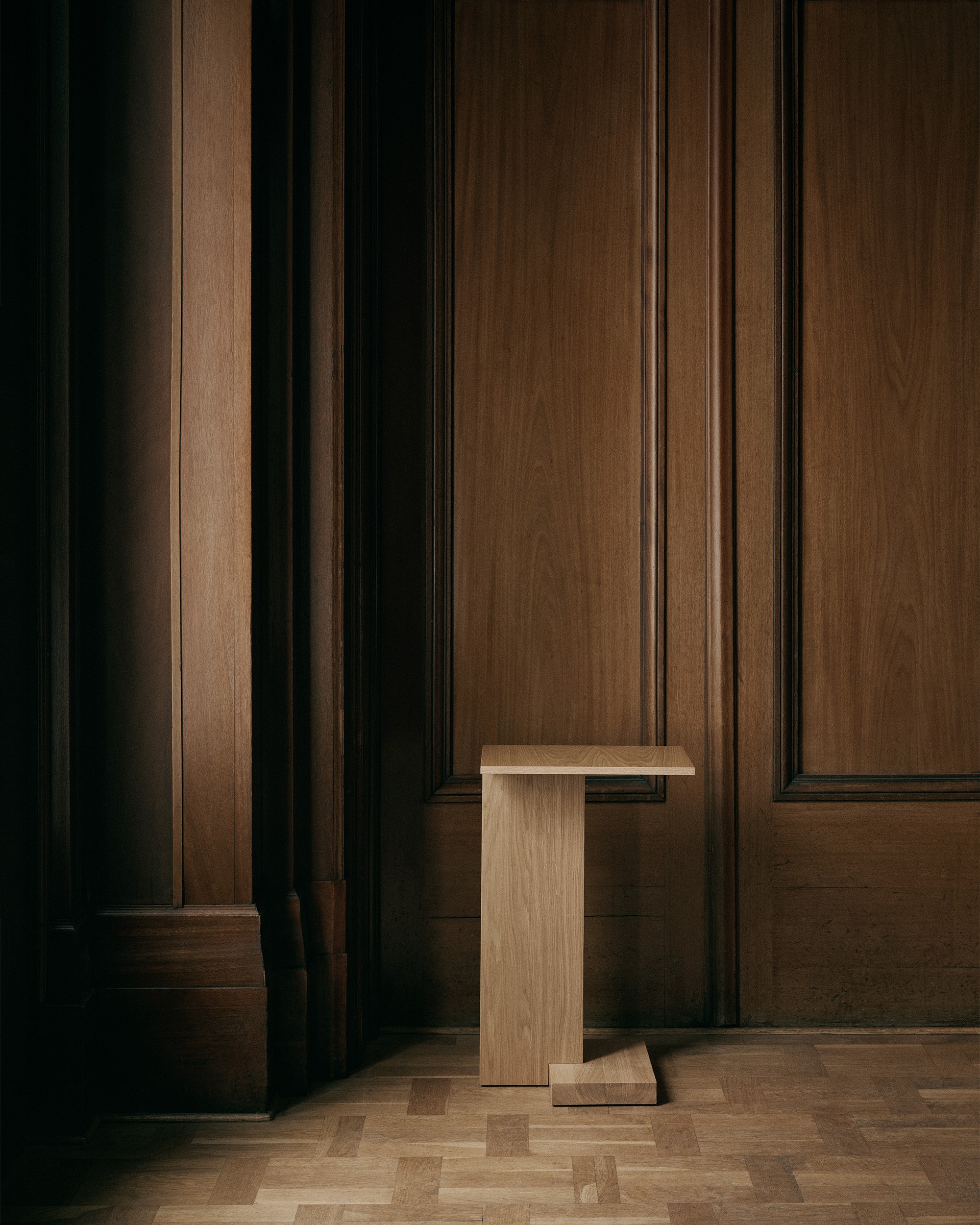
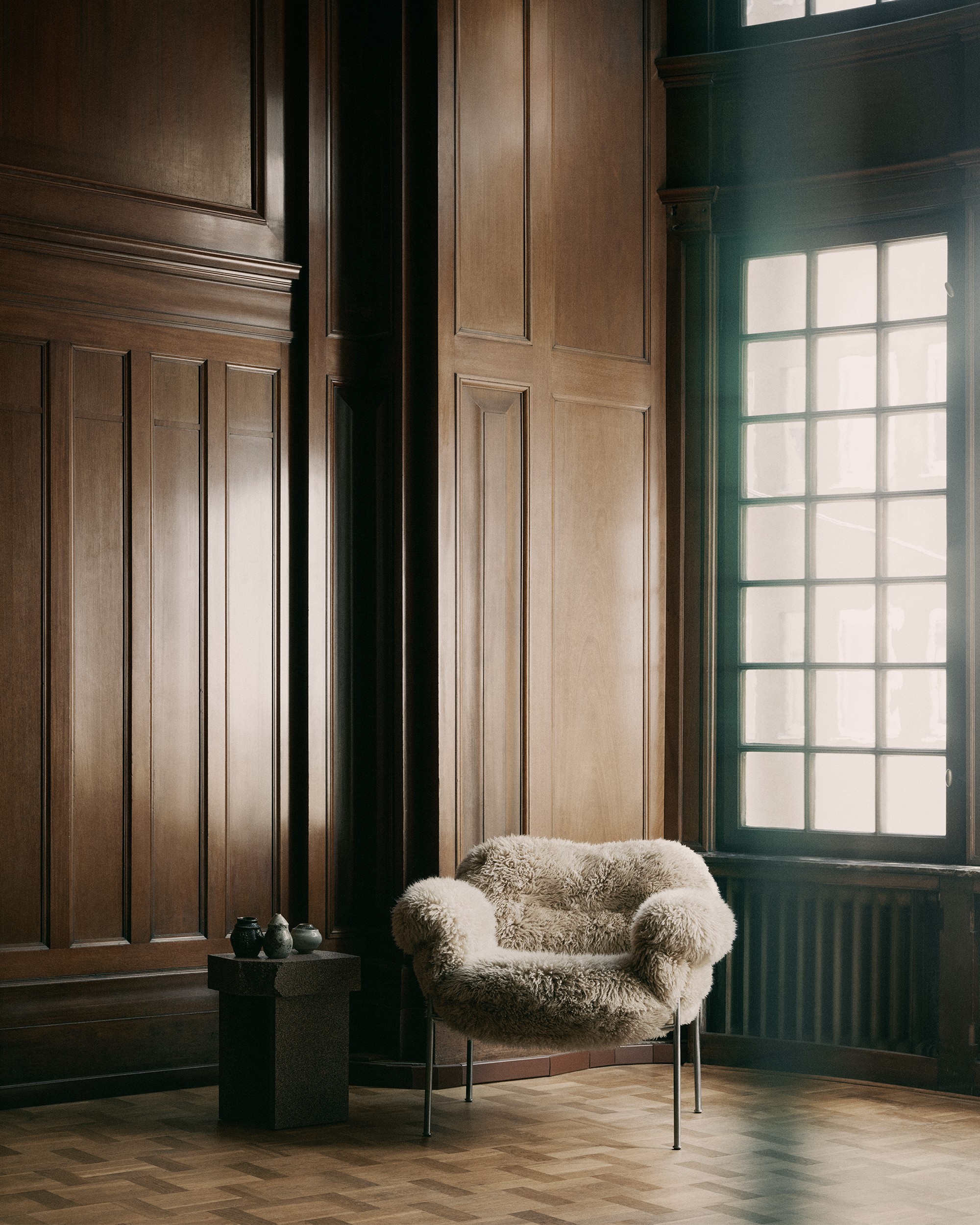
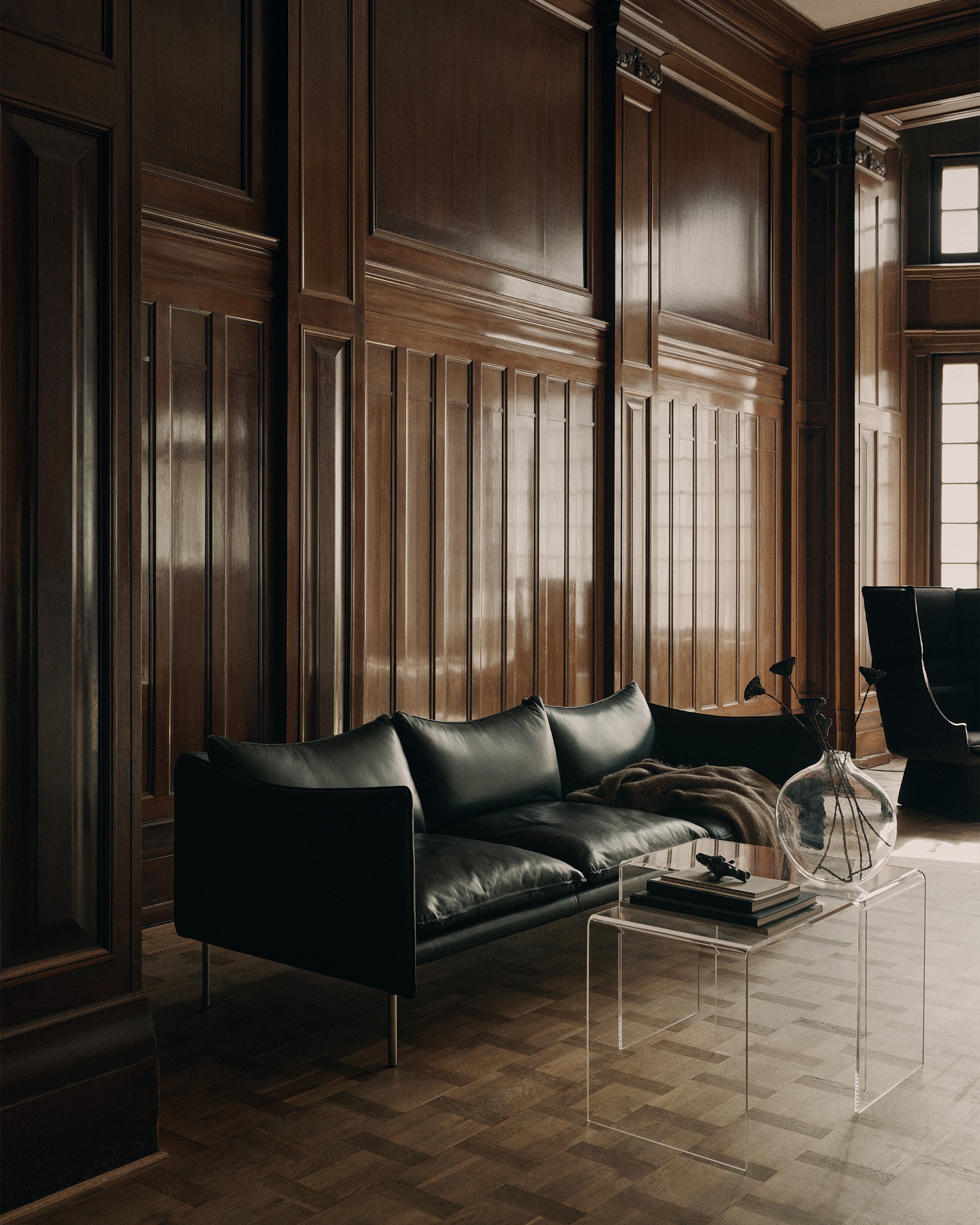
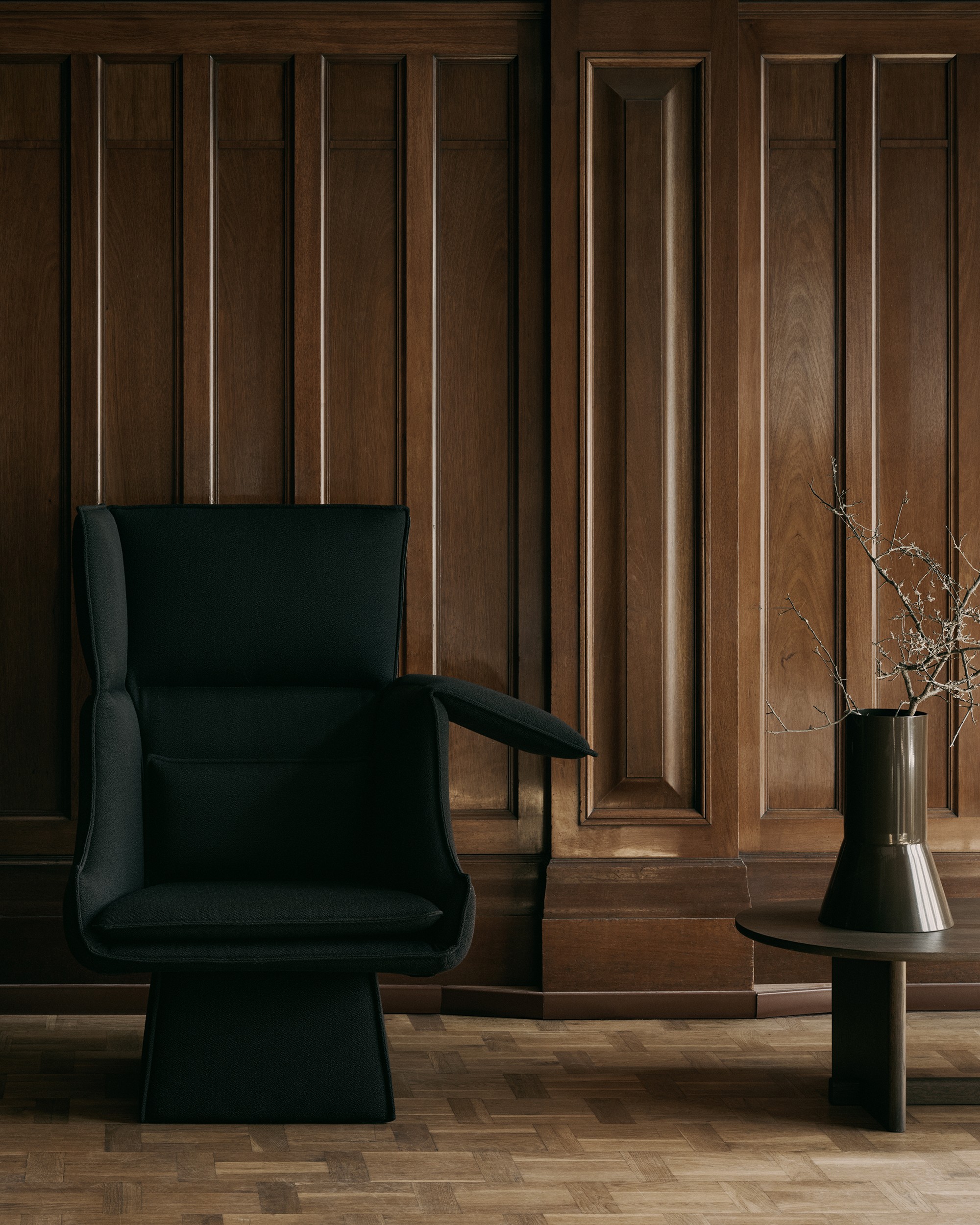
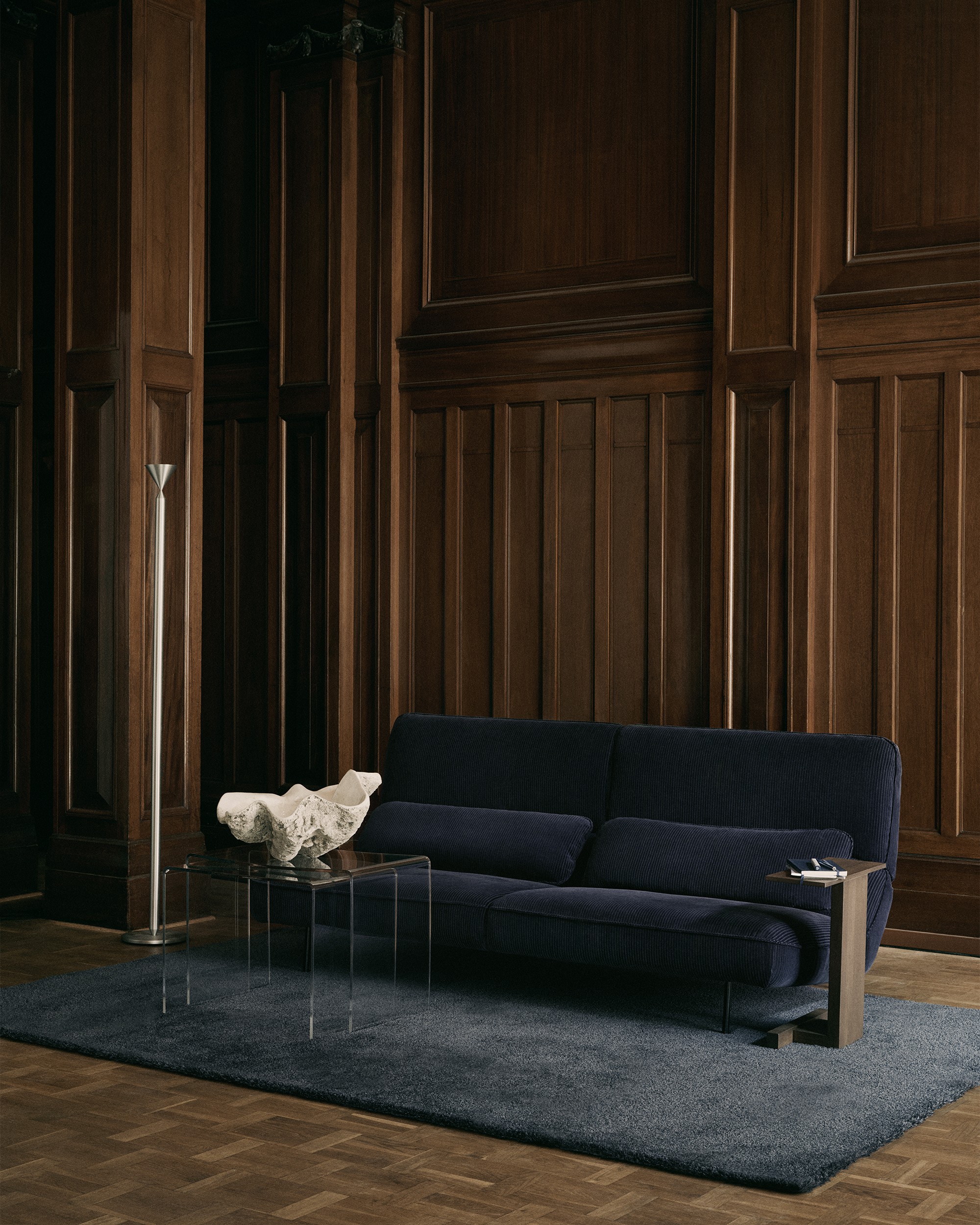
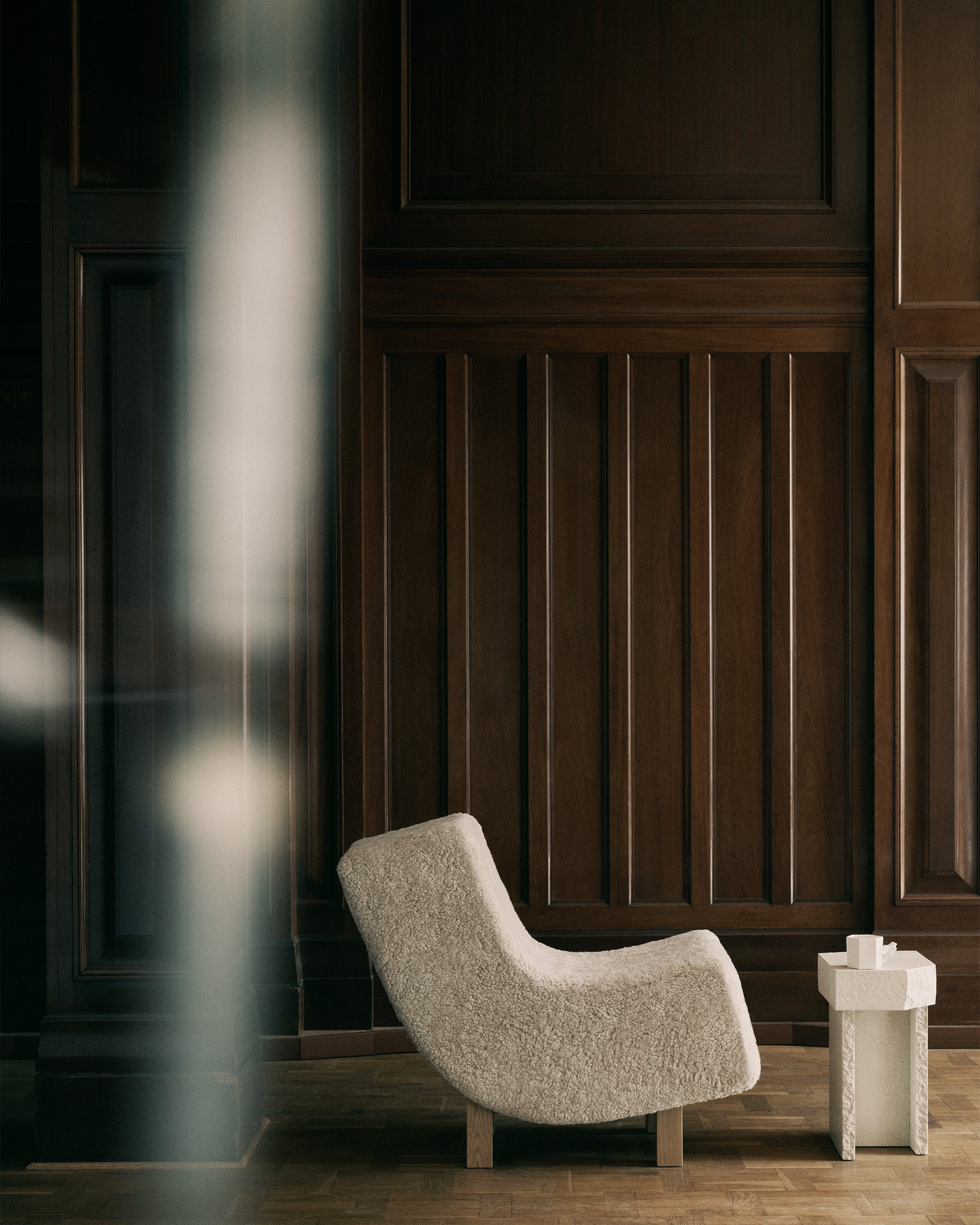
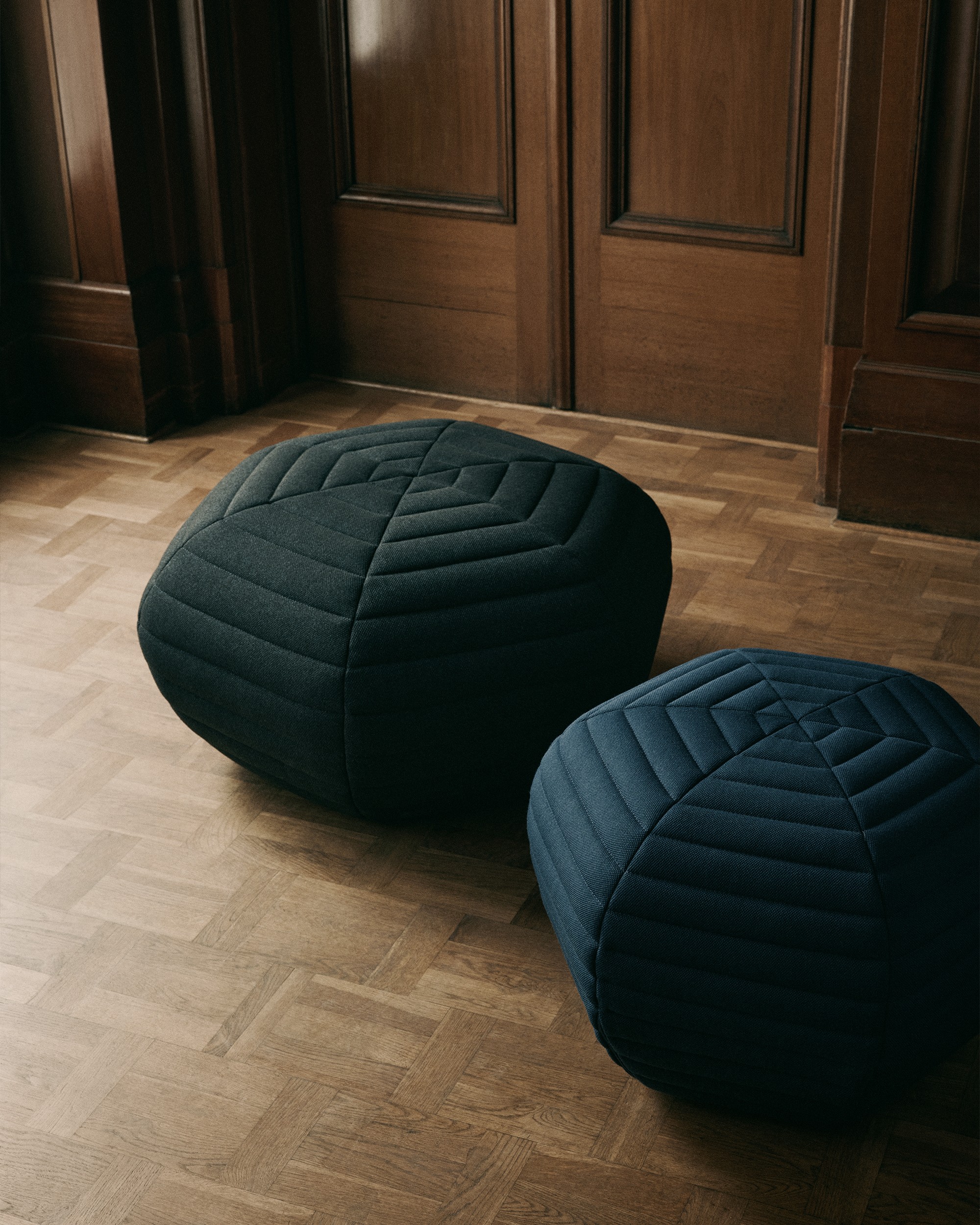

The Building, Västra Trädgårdsgatan 9. Today, rooms shaped by centuries of history continue to welcome new stories.
The Building – A house that grew with the city
Västra Trädgårdsgatan 9, Stockholm
Some buildings are defined by a particular era. Others seem to belong to several at once. Standing beside Kungsträdgården, Västra Trädgårdsgatan 9 has been part of Stockholm’s story since 1648. Built when the city was still clustered around the royal palace and waterfront, it has witnessed centuries of change while remaining remarkably true to itself.
Over the centuries, the house has been home to scholars, physicians, noble families and public figures. Among them were Laurentius Stigzelius, later Archbishop of Uppsala, and Urban Hjärne, one of Sweden’s foremost scientists and intellectuals. Each generation left its mark, adding another layer to a building already shaped by time.
Meanwhile, Stockholm transformed around it. Horse-drawn carriages gave way to trams, oil lamps to electricity, and quiet gardens to busy city streets. The house adapted, yet never lost its character.
One of its most significant transformations came in 1905, when architects David Lundegårdh and C.A. Danielsson redesigned the exterior. The result was neither entirely old nor entirely new, but a careful balance between preservation and renewal.
In 1927, Knut Agathon Wallenberg acquired the property on behalf of the Stockholm Chamber of Commerce. For decades, the building served as a place where business leaders, politicians, diplomats and entrepreneurs gathered to exchange ideas and shape decisions that influenced the city beyond its walls.
Today, another chapter is unfolding. The building has become a place for exhibitions, cultural events, design and creative exchange. New audiences move through rooms that have welcomed generations before them.
What makes Västra Trädgårdsgatan 9 remarkable is not simply its age, but its continuity. Through changing times, it has remained present: a place shaped by people, ideas and craftsmanship. Some buildings tell us when they were built. This one tells us how a city grows.