Tiki Sofa by Andreas Engesvik
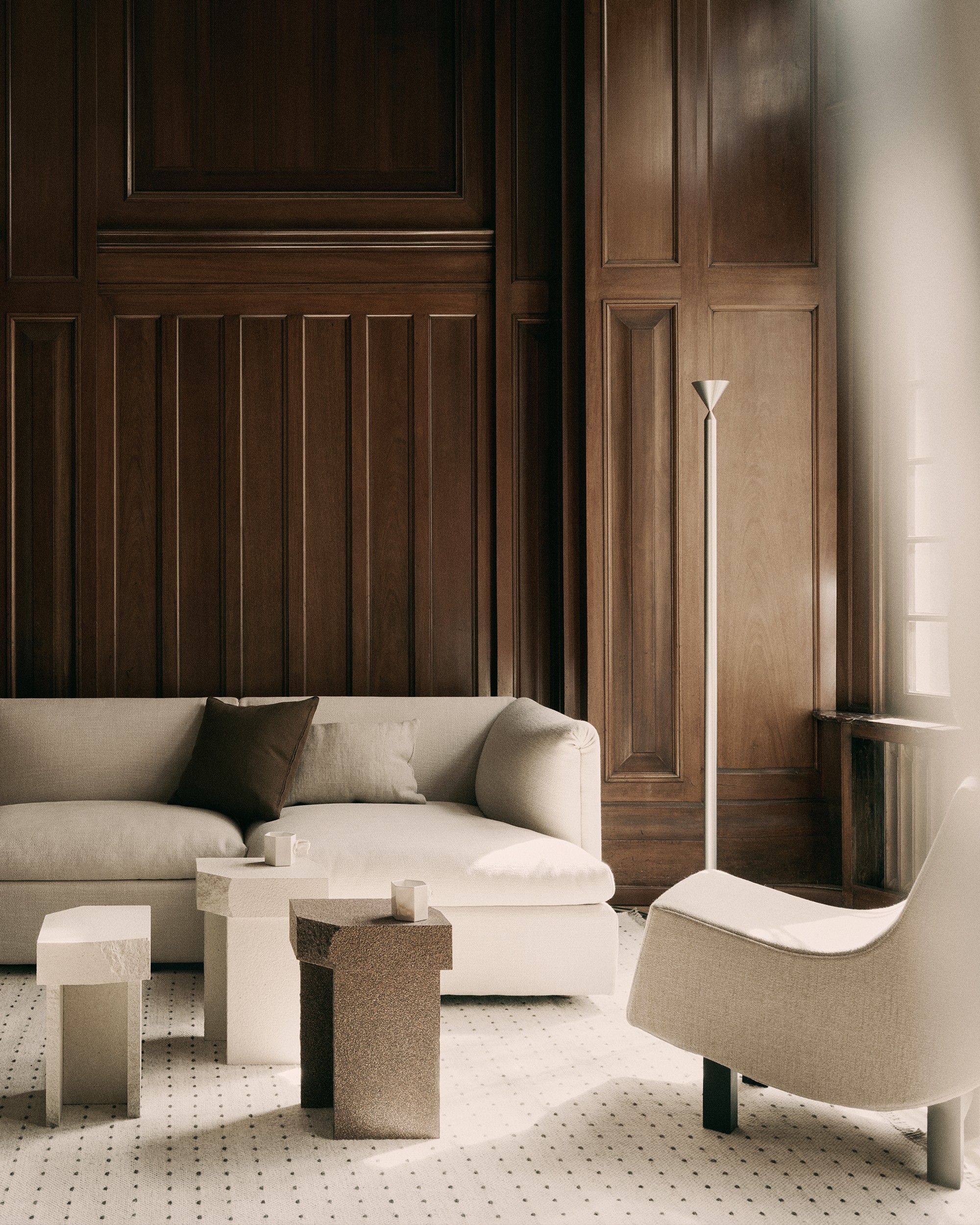
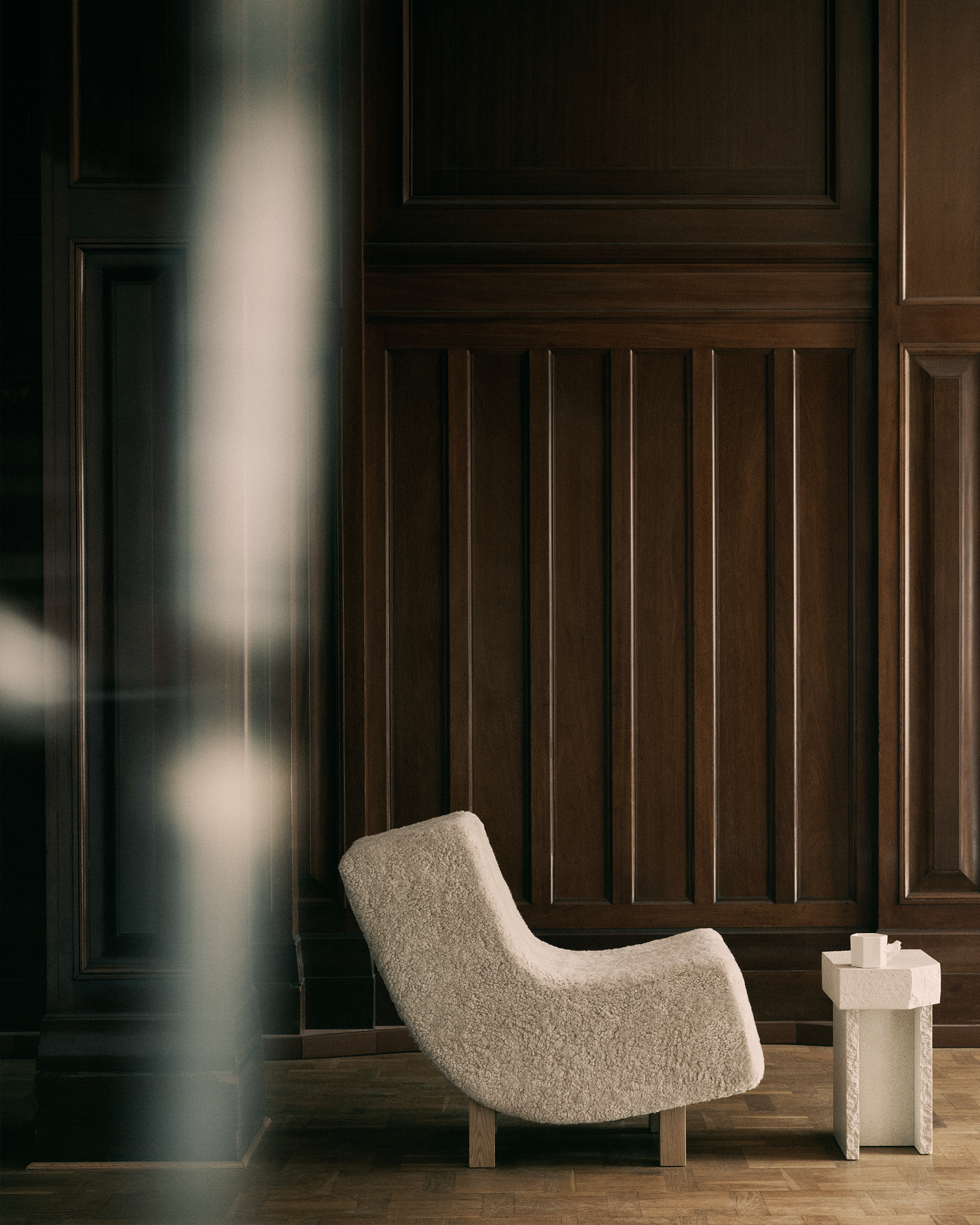
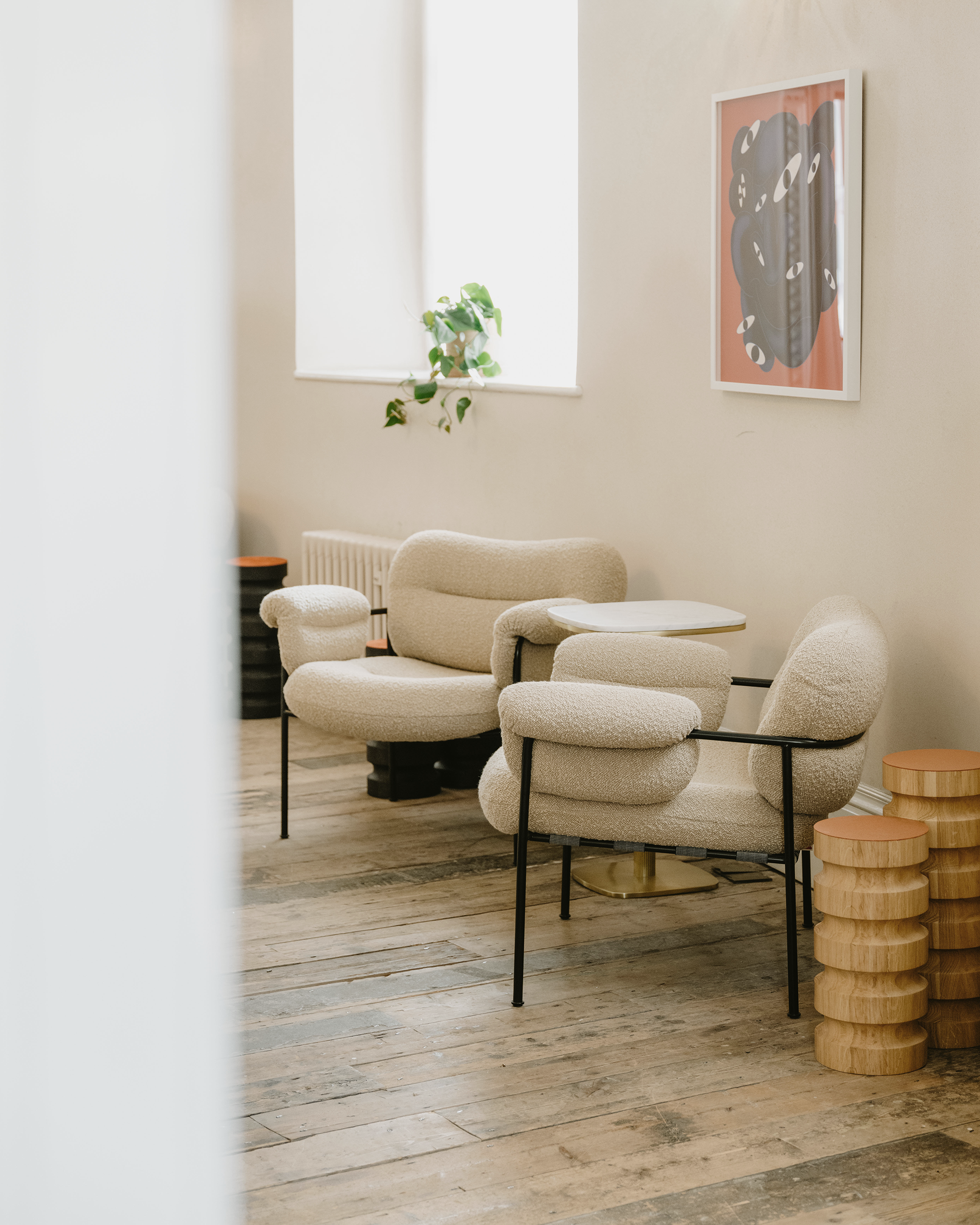
The inspiration for Tiki comes from Kon-Tiki — the raft that Thor Heyerdahl sailed to Polynesia in 1947. This can be seen, among other things, in the shape of the back cushion and armrests, which echo Kon-Tiki’s sail when filled with wind.
The making of the Cube Vase.
Journal / Cube in production
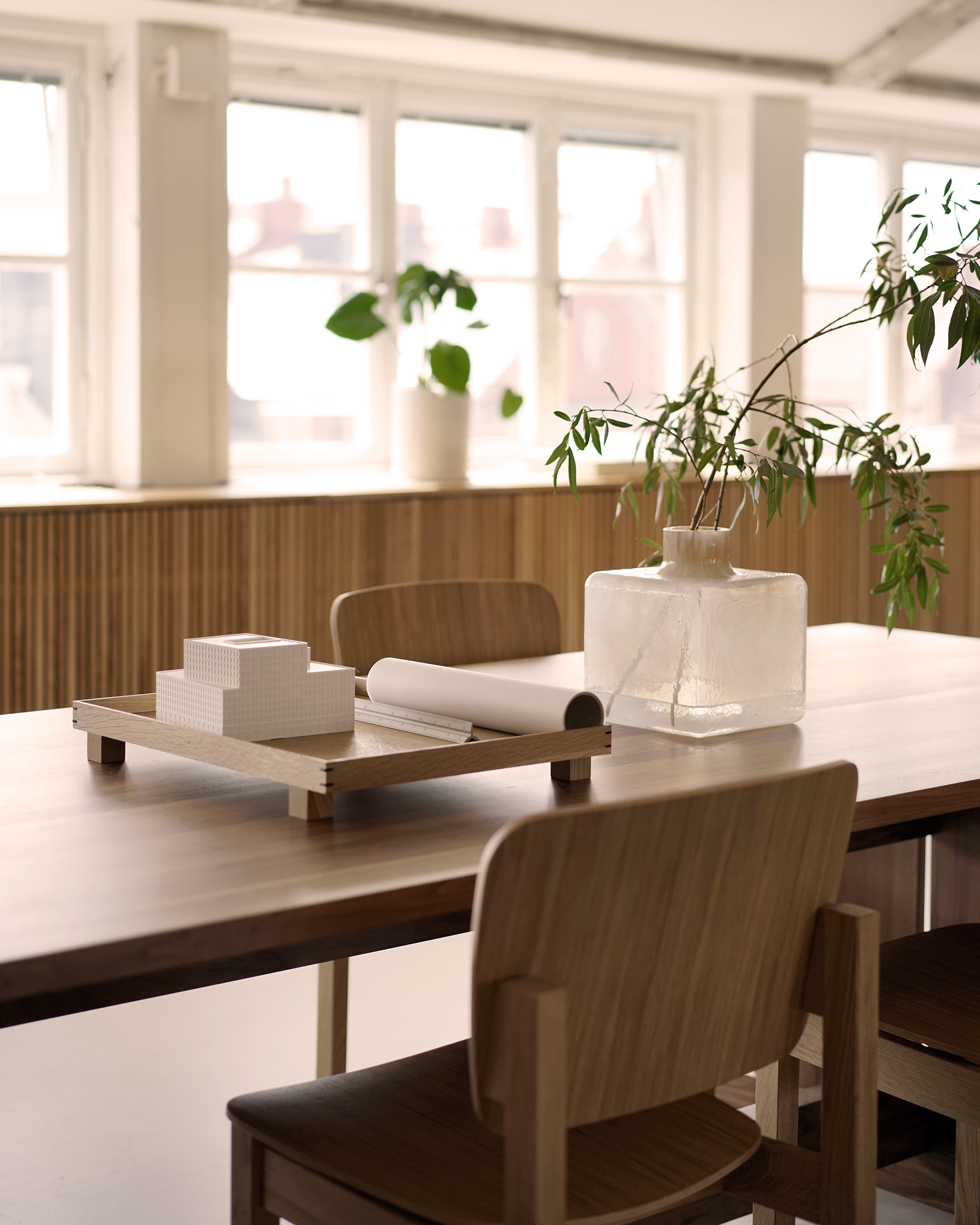
The fact that Cube is produced by hand is clearly evident, as no two vases are completely identical. This applies not least to the way the colours appear. There is something archaic about Cube. The sense of a fleeting moment in time turned solid and eternal. This has to do with several of the vase’s aspects: its simple shape, and the glass itself, as a material, yielded from an interaction of the basic elements of fire, air, earth and water.
Selected reference cases
FUNCTION / FRICTION / FINESSE – We believe there is a common denominator to such pieces: they contribute what we call friction. Friction is the beauty mark, the deviation, the contradiction, the aura, the surprise, the poetry–the element that gives a piece of furniture its unique character. Friction offers resistance–not everyone will like the piece, but those who do, truly will. Friction creates bonds that grow stronger over time.
The Tiki Sofa at Puro Poznan
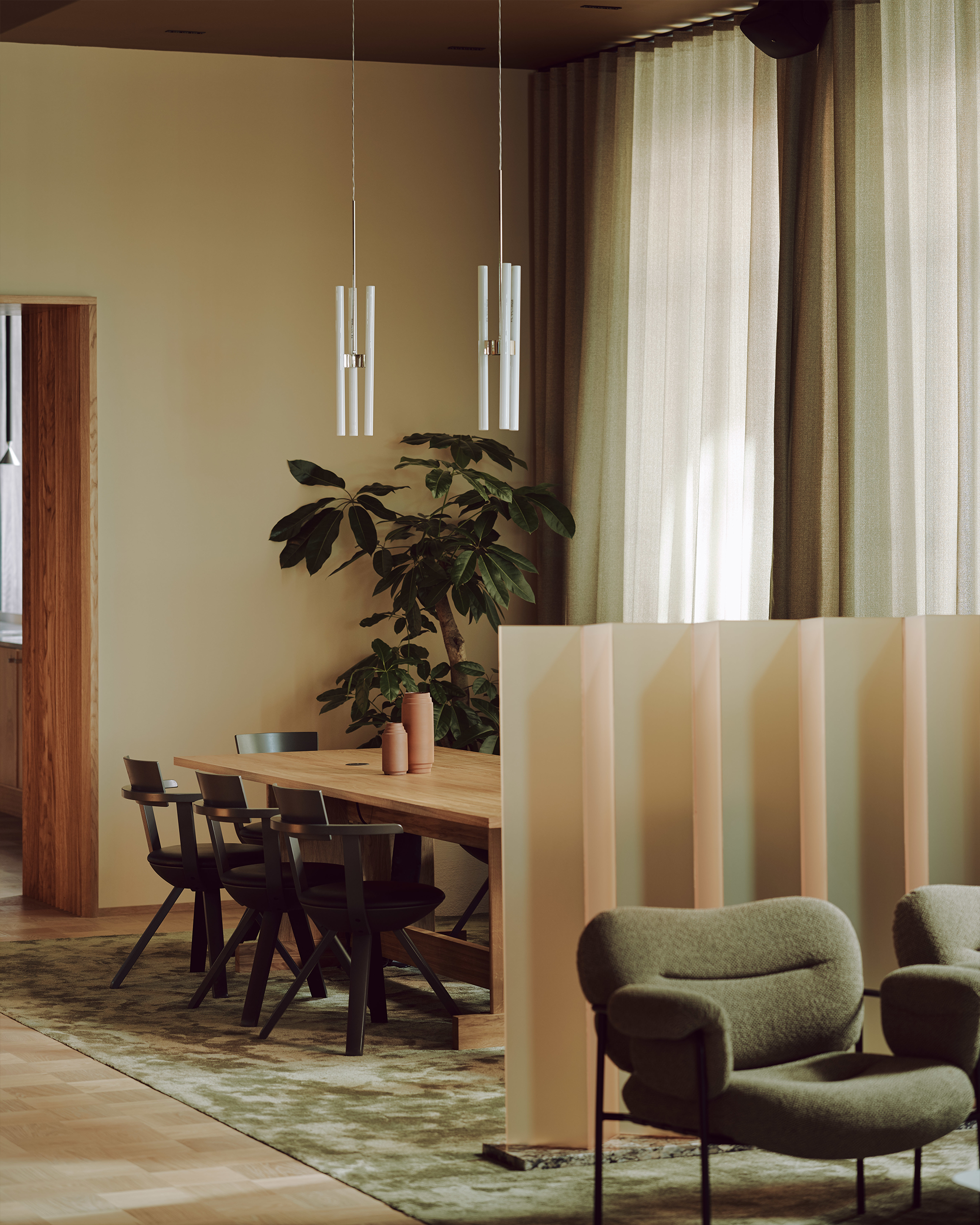
PURO Poznań Stare Miasto is a blend contemporary design with historical surroundings. A mix of modern furniture, curated art and curious objects echoes the spirit of this eclectic city. By London-based designers, Holloway Li.
Journal / What started with a new material
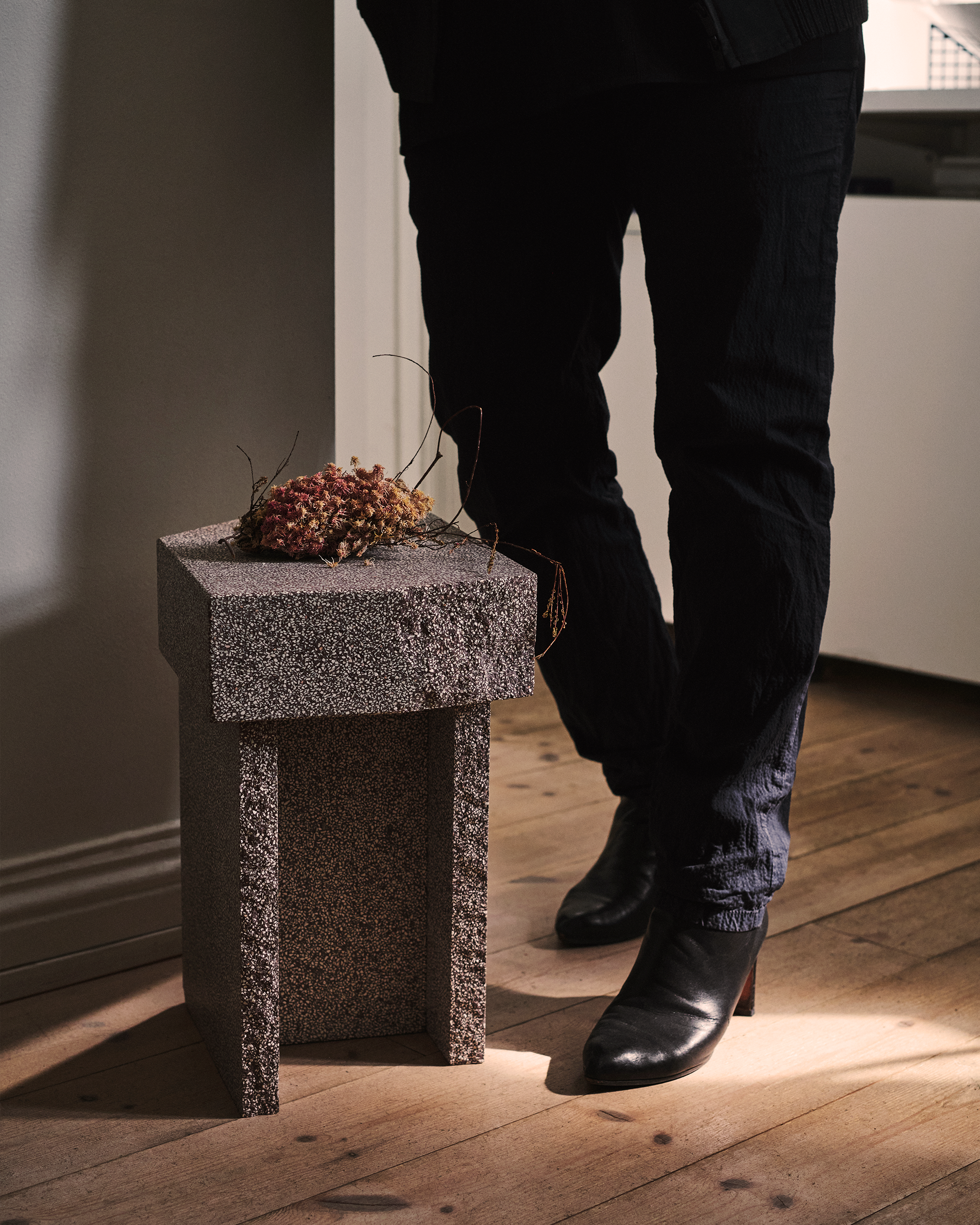
Kern is as much a sculpture as it is a table. Your eyes, as well as your hands, are drawn to it. It isn’t enough to look at Kern. You have to send your fingertips across its slightly uneven surface – brushed, rather than polished, to emphasise the material’s natural characteristics.
Niche was originally designed by TAF Studio for a very specific setting: the rounded alcoves of the restaurant in Stockholm's National Museum.
Niche is a slightly enigmatic piece – as if it contains several eras at once. In a sense, this is also literally true. The form is contemporary and subtly playful, while the craftsmanship is traditional, executed with great skill by Fogia’s seamstresses and upholsterers. Here, the furniture’s tall, tufted back sweeps in a semicircle around the seat, creating a miniature world of its own for whoever settles into it.