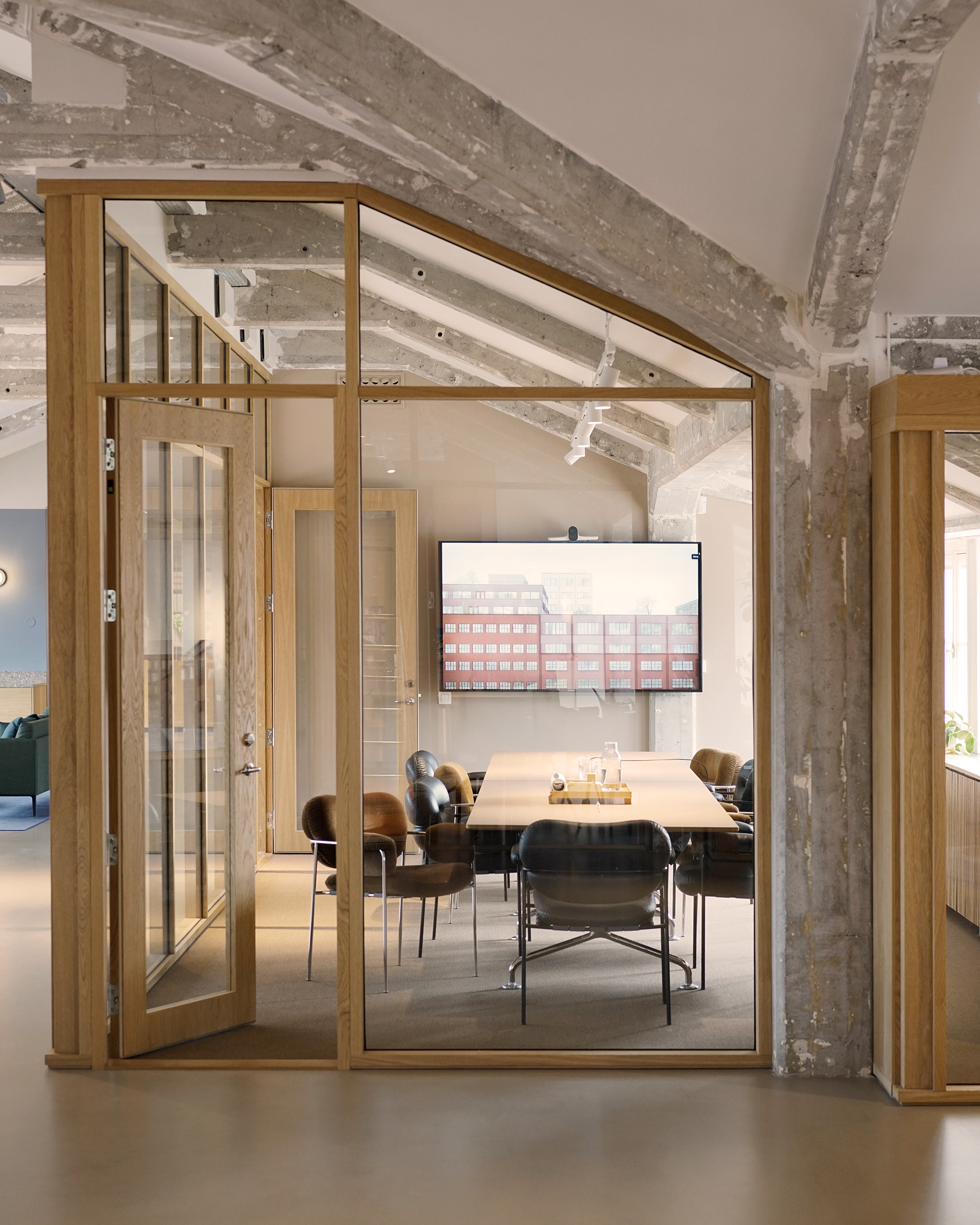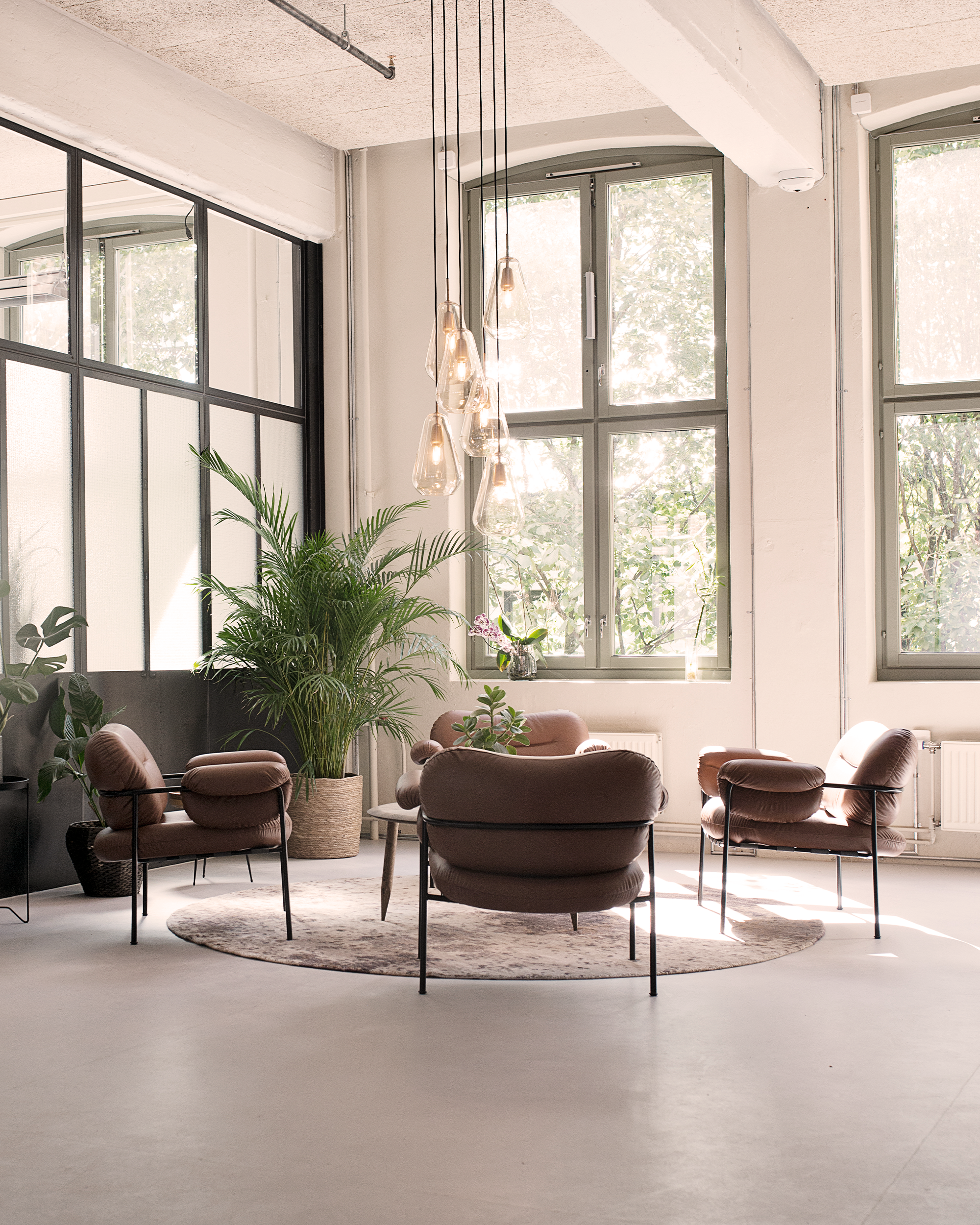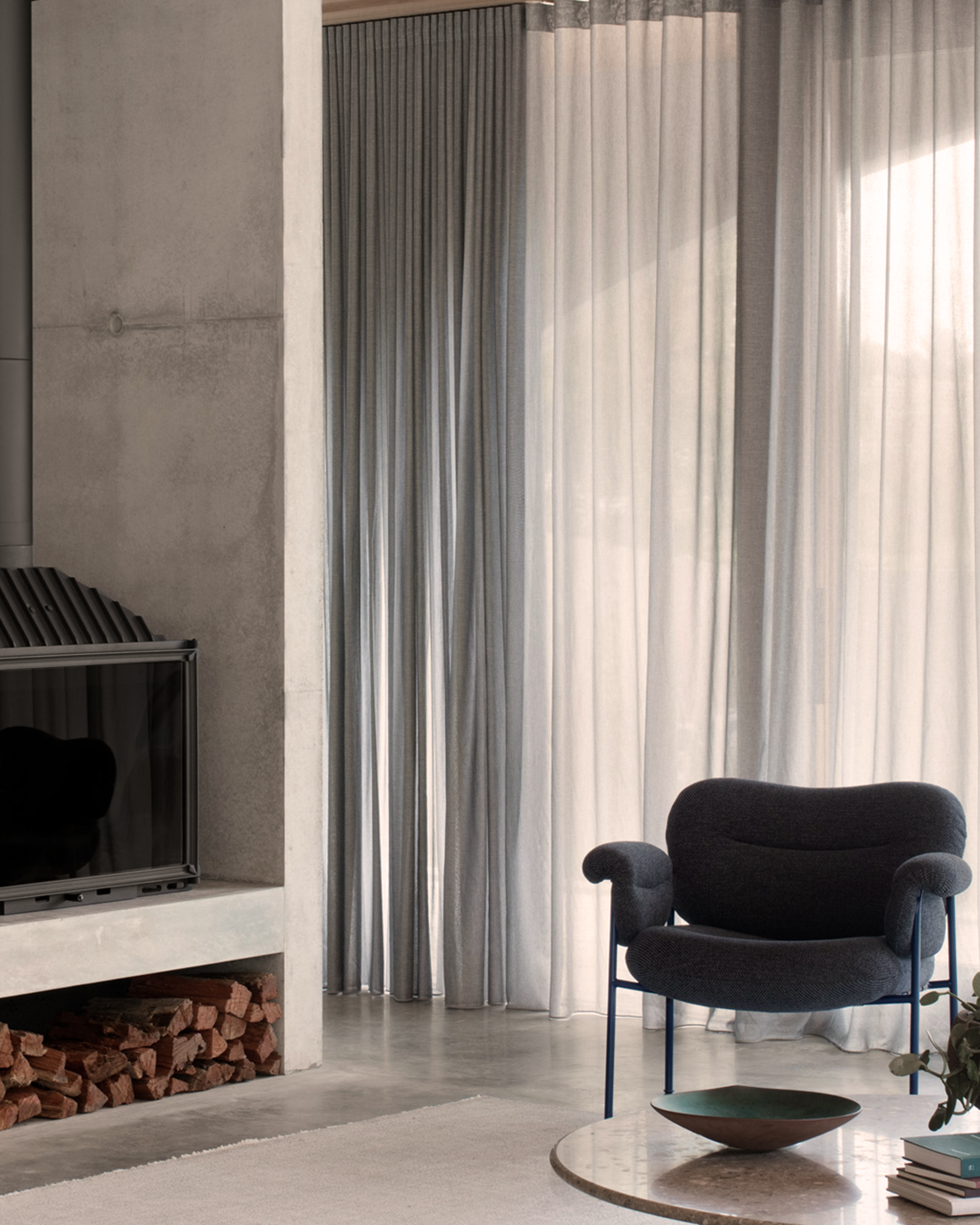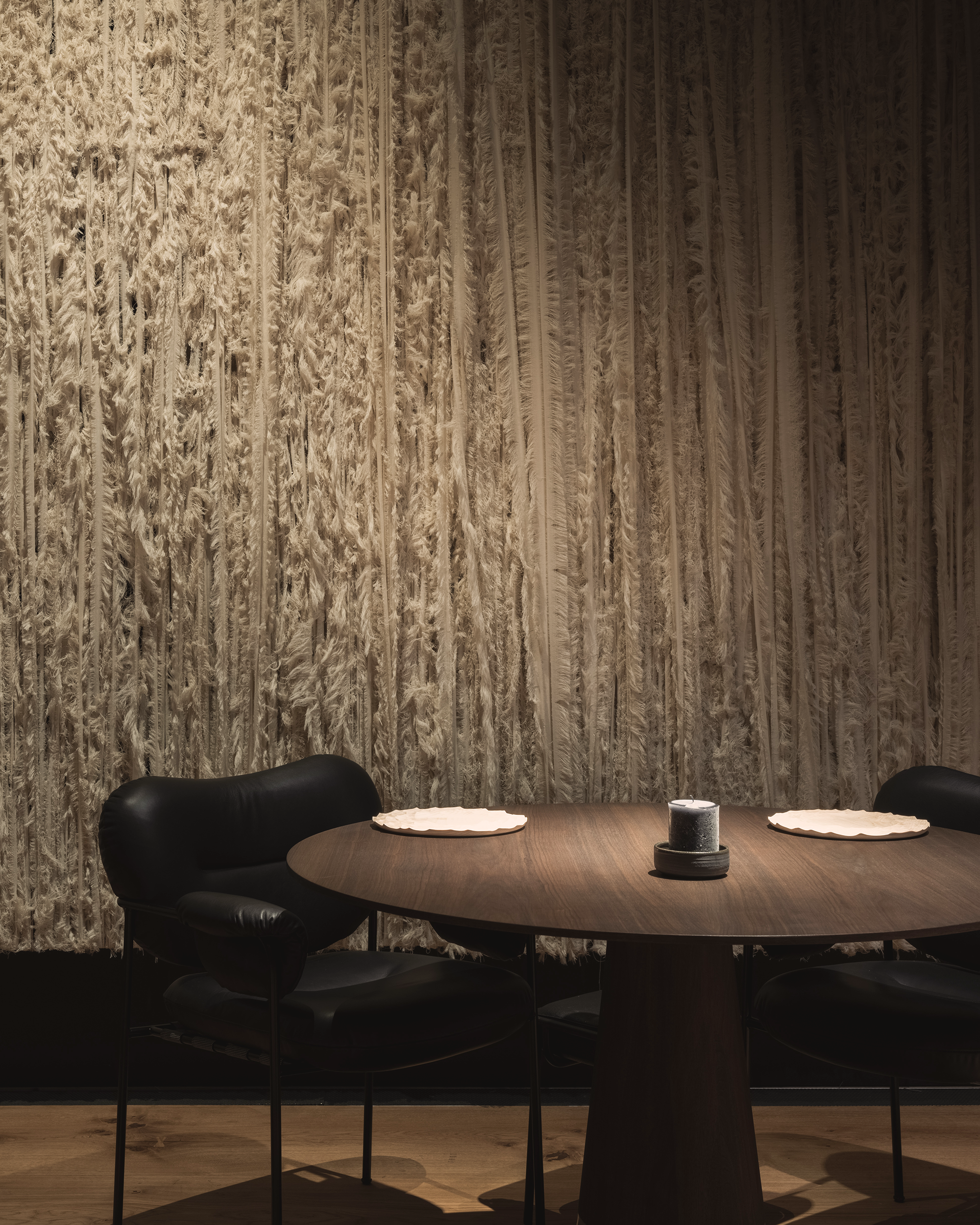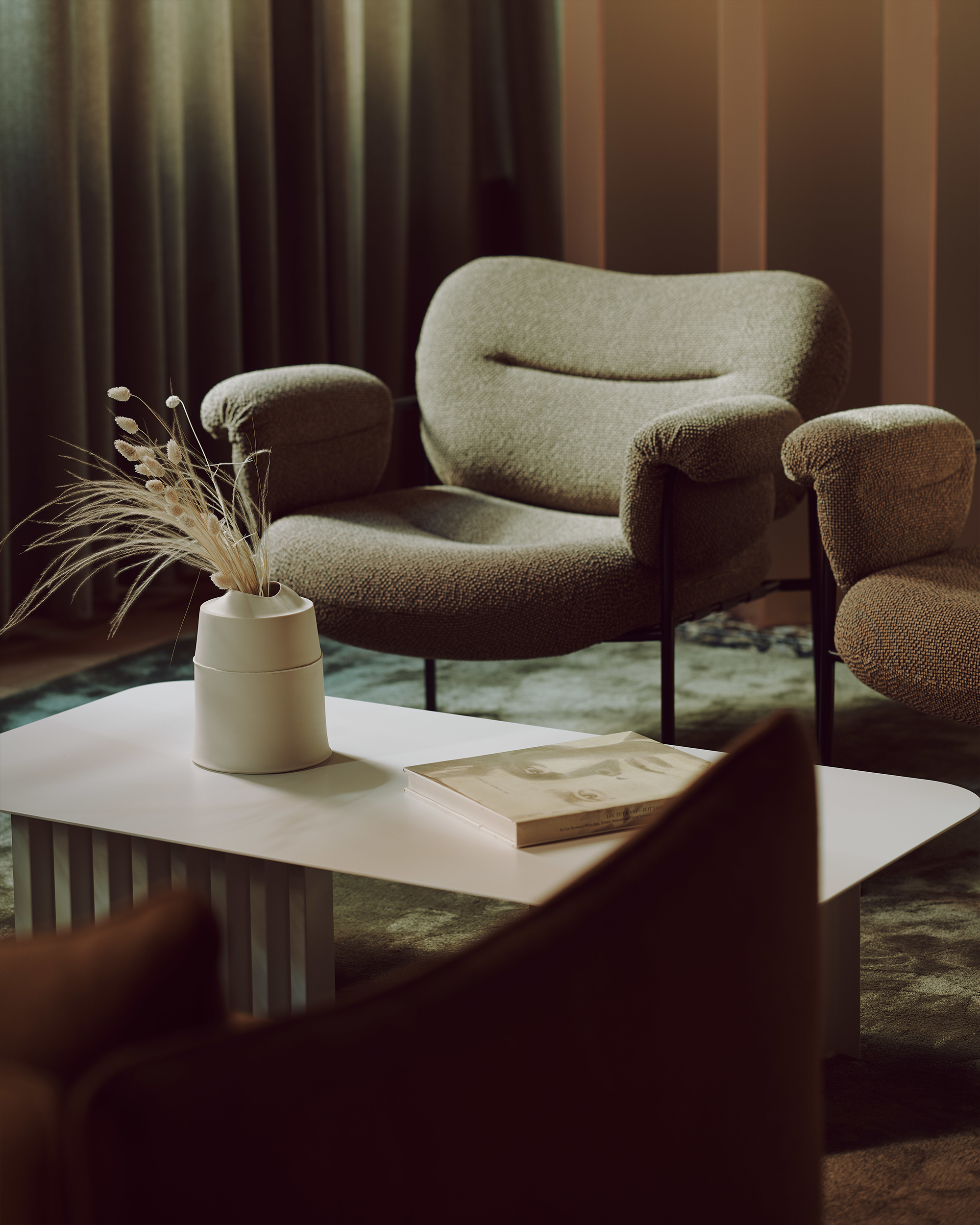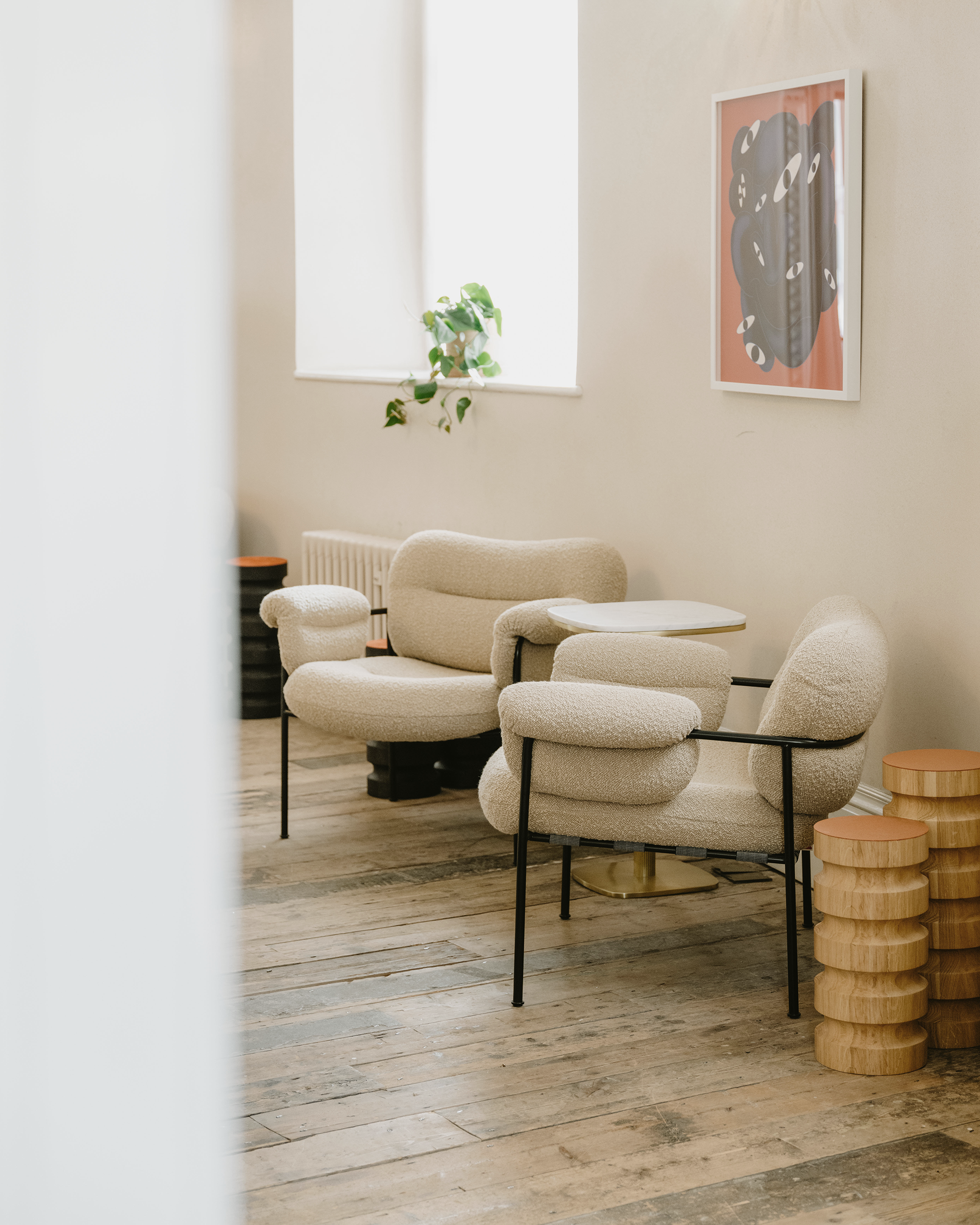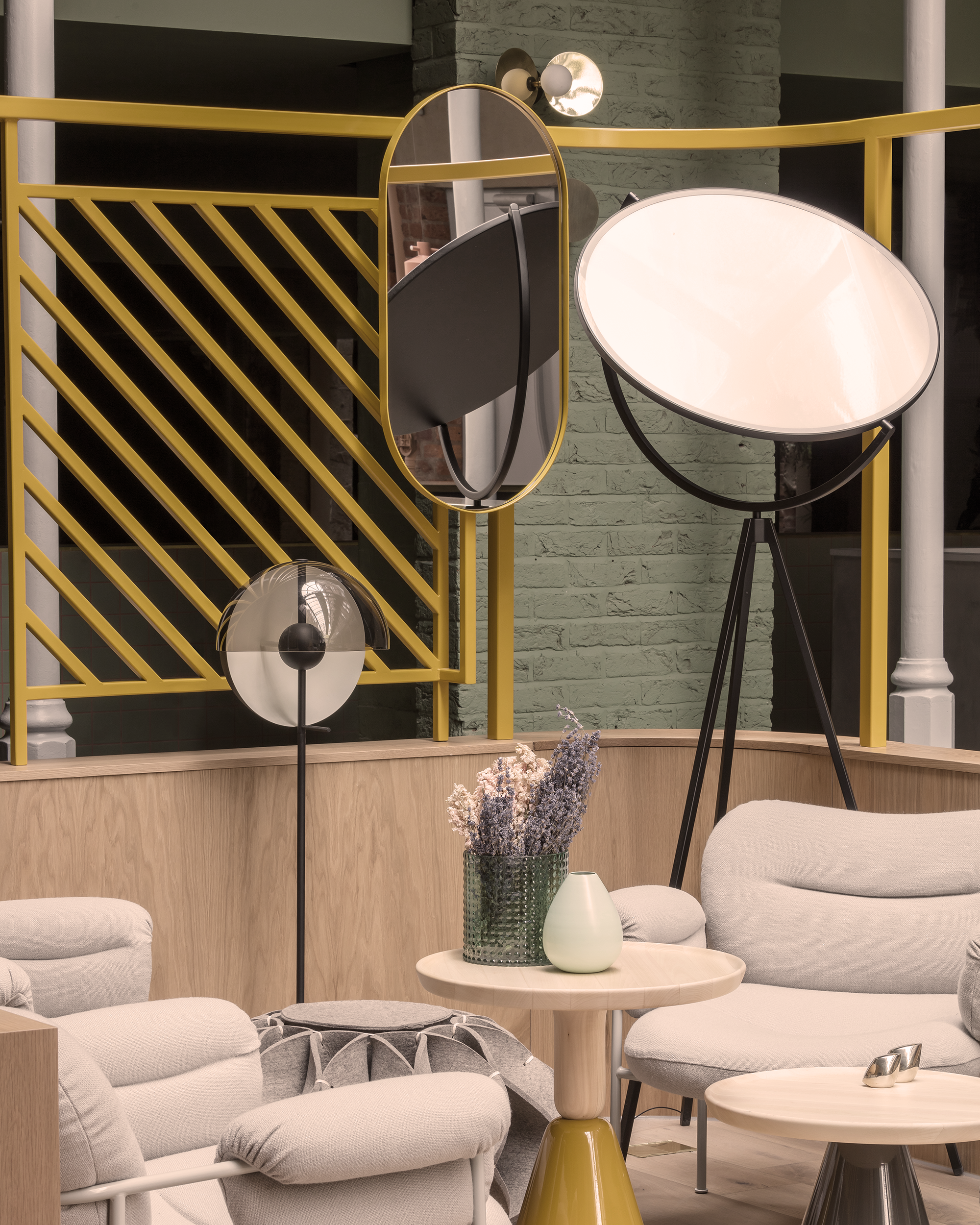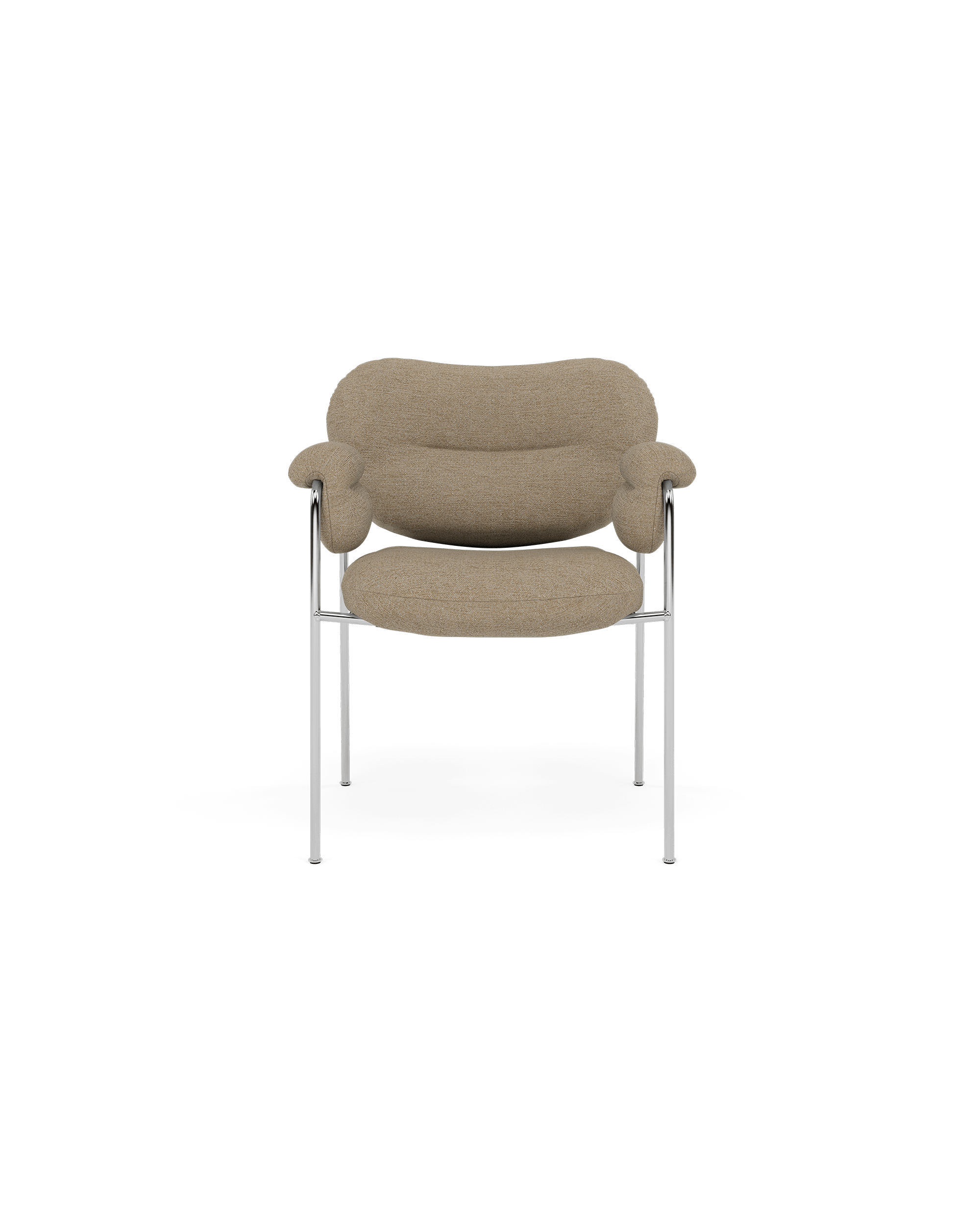


Bollo Dining Chair
Bollo may have a distinctive and nonconformist expression, but it is not designed to be appreciated primarily with the eye. There is, in fact, a compelling reason why Bollo looks the way it does: the human body.
About
When Bollo was launched in 2016, it immediately provoked reactions in the design world. Some people fell head over heels straight away. Others raised their eyebrows sceptically, as if wondering: What kind of piece of furniture is this, really? Early on, it became clear that Bollo belongs to the small group of furniture that it is impossible to be indifferent to – and which, for that very reason, tends to remain relevant over time, because you don’t tire of it.
Dimensions
Image gallery


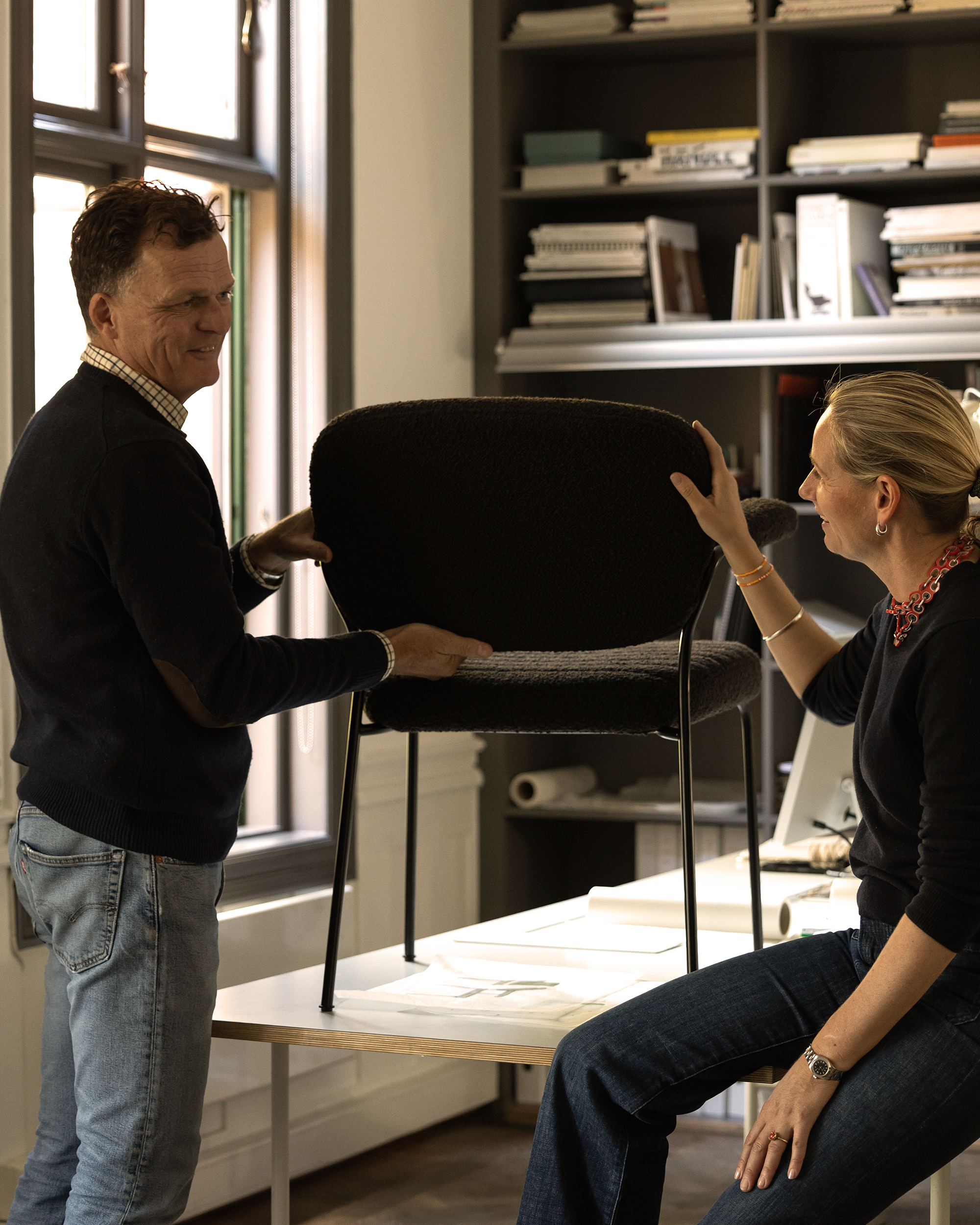
Andreas Engesvik and Jannicke Grung in their studio in Oslo.
The designers / Grung Engesvik
Good design often begins with curiosity. How does something work? What could be improved? And what happens when you approach a familiar object from a different direction?
For Andreas Engesvik and Jannicke Grung, the designers behind Oslo-based studio Grung Engesvik, these questions are part of an ongoing conversation. Their work explores the relationship between materials, construction and everyday use, with an appreciation for the knowledge and craftsmanship involved in making things well. Different perspectives meet in a shared process, where ideas are questioned, developed and refined. Always with an interest in creating objects that people will enjoy using, caring for and keeping.
Reference case / Tjoget
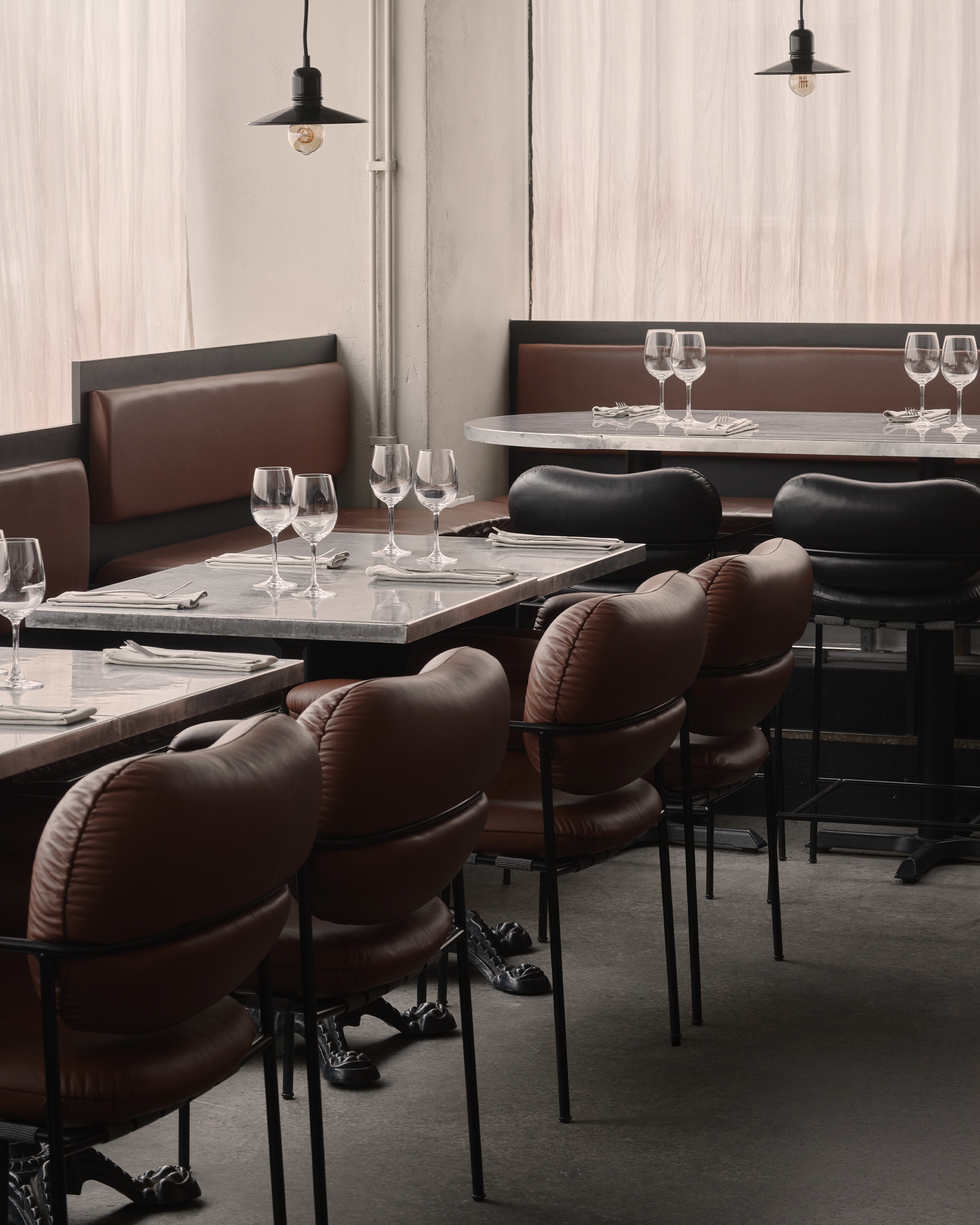
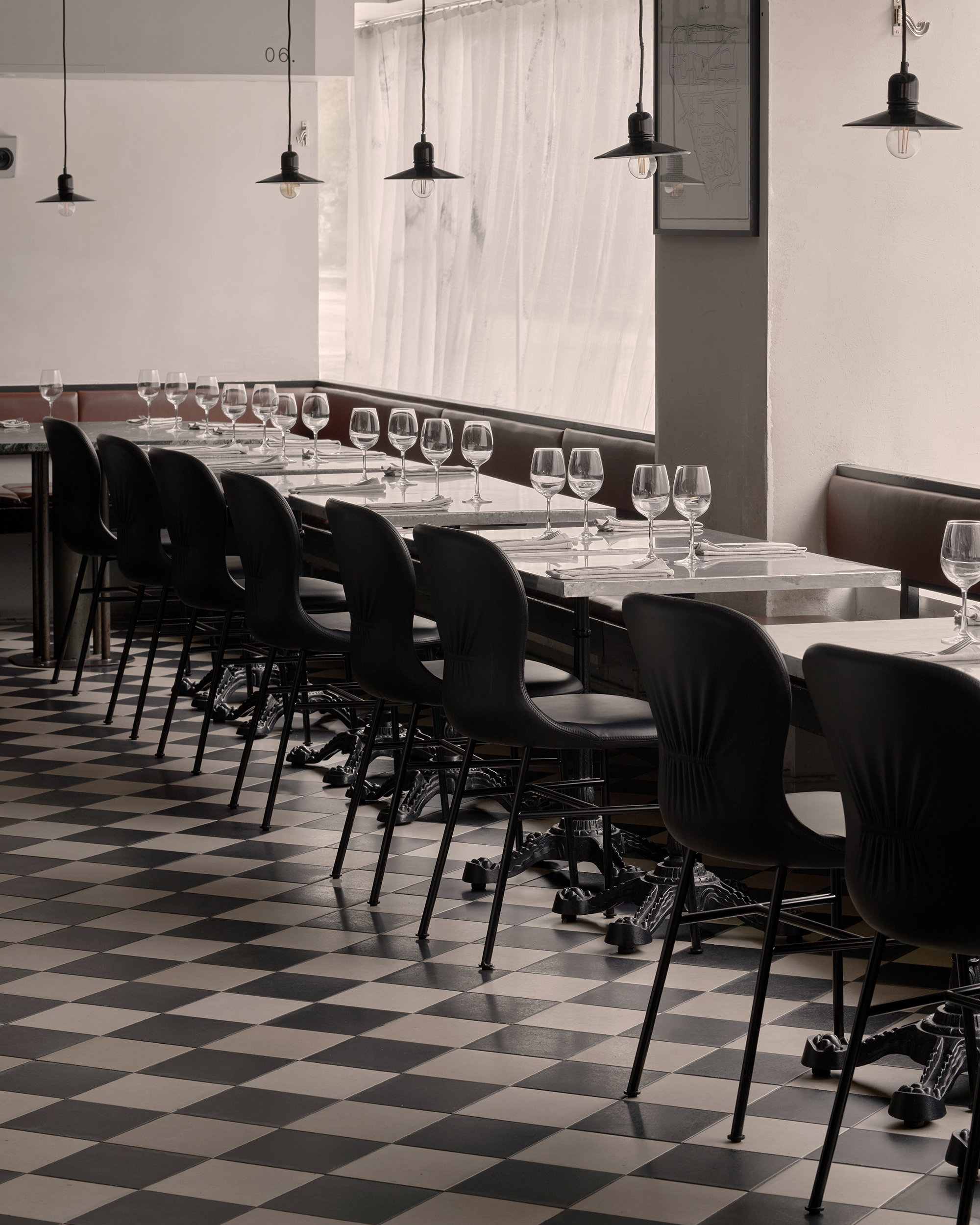
Fogia teamed up with the renowned bar and restaurant Tjoget to revamp the venue, enhancing Tjoget’s distinctive aesthetics with some of the characteristic Fogia furniture. The selection includes carefully curated pieces such as the Bollo and Tripot family, Myko Chair, and Figurine Stool, all harmoniously complementing Tjoget's industrial vibe.